


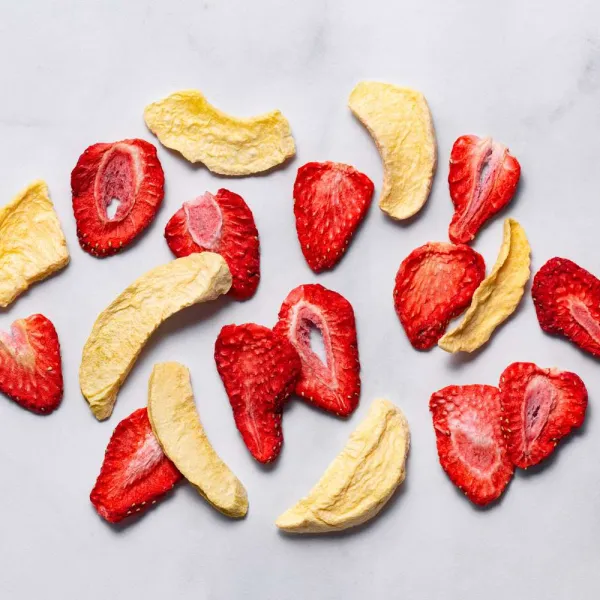
Hey everyone! So, you know how freeze-dried fruit has become super popular lately? It’s everywhere, from snack aisles to lunchboxes. And it makes sense – it’s light, crunchy, and tastes pretty great. But if you’re a parent, a question probably pops into your head: is freeze dried fruit a choking hazard for little ones? It’s a really important thing to think about. We want our kids to eat healthy snacks, but safety comes first, always. So, let’s dig into this and figure out what’s what.
Key Takeaways
- Freeze-drying removes water, making fruit light and crispy, but it also changes how it feels in the mouth.
- Young kids are still learning how to chew and swallow, so some food textures can be tricky for them.
- The crunchy, sometimes crumbly nature of freeze-dried fruit can be a concern for small children.
- Always watch kids closely when they eat, especially new foods, and know what to do if choking happens.
- It’s a good idea to talk to your pediatrician about what foods are best for your child’s age and stage.
Understanding Freeze-Drying Technology

The Science Behind Moisture Removal
Freeze-drying, also known as lyophilization, is a dehydration process typically used to preserve a perishable material or make the material more convenient for transport. The process works by freezing the material and then reducing the surrounding pressure to allow the frozen water in the material to sublimate directly from the solid phase to the gas phase. This removes almost all the moisture, typically leaving a product with a moisture content of 1-5%. This process significantly inhibits microbial growth and enzymatic activity, which are the primary causes of food spoilage.
- The material is first frozen, ensuring all water is in ice form.
- A vacuum is applied, lowering the surrounding pressure.
- Heat is added to encourage sublimation (ice to vapor).
The beauty of freeze-drying lies in its ability to remove water without significantly damaging the original product’s structure. This is because the low temperatures and the absence of liquid water minimize chemical reactions and structural collapse.
Preservation of Nutritional Value
One of the key advantages of freeze-drying is its ability to retain a high percentage of the original nutritional content of the food. Unlike other drying methods that use high heat, freeze-drying minimizes the degradation of vitamins, minerals, and other heat-sensitive compounds. This makes freeze-dried fruits and vegetables a nutritious option for snacks and ingredients.
Consider the following comparison:
| Nutrient | Fresh Fruit | Freeze-Dried Fruit | Retention Rate |
|---|---|---|---|
| Vitamin C | 100% | 90% | 90% |
| Antioxidants | 100% | 95% | 95% |
Impact on Food Texture and Density
Freeze-drying dramatically alters the texture and density of food. The sublimation process creates a porous structure, resulting in a lightweight and often brittle product. This can be both a benefit and a drawback. The light weight makes it easy to transport and store, while the brittleness can make it prone to crumbling. The unique texture also contributes to the distinct eating experience associated with freeze-dried foods. eHerbal, a leading Fruits & Vegetables Freeze-Drying Manufacturer in Vietnam, is innovating in this space, seeking partners in the foods & beverage industry and distributors to expand the reach of their high-quality freeze-dried products. eHerbal is committed to sustainable practices and offers a range of freeze-dried natural foods, teas, and coffees. They are also looking for partners to expand their global reach.
Assessing Choking Hazards in Children
Developmental Stages and Oral Motor Skills
Kids develop at different rates, and their ability to handle various food textures changes a lot in the first few years. A baby just starting solids has very different oral motor skills than a toddler. Understanding these stages is key to preventing choking. For example, a 6-month-old might only be able to manage purees, while a 12-month-old can handle soft, mashed foods. Knowing what your child can safely chew and swallow is the first step in keeping them safe.
Identifying High-Risk Food Characteristics
Some foods are just naturally more likely to cause choking. Think about things that are small, round, firm, or sticky. These can easily get lodged in a child’s airway. Freeze-dried fruit can sometimes fall into this category, depending on how it’s prepared and the child’s age. Here’s a quick list of characteristics to watch out for:
- Small size (like peas or grapes)
- Round or cylindrical shape (like hot dogs or sausages)
- Firm texture (like raw carrots or apples)
- Sticky consistency (like peanut butter or gummy candies)
- Foods that don’t easily dissolve (like hard candies or nuts)
Recognizing Signs of Choking
Knowing what choking looks like is super important. It’s not always the dramatic, hands-around-the-throat scene you see in movies. Sometimes it’s much more subtle. Here are some signs to watch for:
- Inability to cough, cry, or speak
- Bluish skin color (cyanosis)
- Weak or ineffective cough
- High-pitched sounds while inhaling
- Loss of consciousness
It’s a good idea to take a CPR and first aid course that covers infant and child choking. Knowing how to respond in an emergency can save a life. Make sure everyone who cares for your child knows these techniques too.
It’s also important to remember that gagging is different from choking. Gagging is a normal reflex that helps prevent choking. If a child is gagging, they’re usually able to cough and clear their airway on their own. Upright position is important to prevent choking.
Specific Concerns with Freeze-Dried Fruit
Brittleness and Fragmentation Risks
Freeze-drying makes fruit incredibly brittle. This brittleness can cause the fruit to easily fragment into small, hard pieces. These pieces, while seemingly small, can pose a choking hazard, especially for young children who haven’t yet developed the chewing and swallowing skills to manage them safely. Unlike fresh fruit that yields and softens with chewing, freeze-dried fruit retains its rigid structure, making it difficult to break down effectively in the mouth. This is a big difference compared to other snacks.
Potential for Inhalation Due to Lightness
Freeze-dried fruit is exceptionally light due to the removal of almost all moisture. This lightness, while contributing to its unique texture, also means that small pieces can be easily inhaled, especially if a child gasps, laughs, or cries while eating. The light fragments can bypass the normal swallowing mechanism and enter the airway, leading to choking. It’s something to keep in mind.
Comparison to Other Dried Fruit Varieties
Freeze-dried fruit differs significantly from other dried fruit varieties like raisins or apricots. Traditional dried fruits retain some moisture and have a chewy texture, making them less likely to fragment into hard pieces. Freeze-dried fruit, on the other hand, undergoes a process that removes nearly all moisture, resulting in a crispy, airy texture that shatters easily. This difference in texture directly impacts the choking risk. For example:
| Fruit Type | Moisture Content | Texture | Choking Risk |
|---|---|---|---|
| Freeze-Dried | Very Low | Brittle/Crisp | High |
| Traditionally Dried | Moderate | Chewy | Moderate |
It’s important to recognize that while all dried fruits present some level of choking risk, the unique characteristics of freeze-dried fruit make it a higher concern for young children. Parents should be aware of these differences and take appropriate precautions.
Freeze-drying is an innovative technology that’s changing how we think about food preservation and nutrition. It’s not just about extending shelf life; it’s about retaining the good stuff – vitamins, minerals, and flavor – while creating new textures and possibilities. eHerbal, a manufacturer, innovator, and exporter based in Vietnam, is at the forefront of this movement. We’re constantly exploring new ways to harness the power of freeze-drying to create healthy, convenient, and delicious products. We are actively seeking partners in the food and beverage industry, as well as distributors, to expand our reach and share our vision of a healthier future. Our commitment to quality and innovation makes us a reliable source for freeze-dried ingredients and finished products.
Mitigation Strategies for Safe Consumption
Freeze-dried fruit can be a convenient and nutritious snack, but it’s important to take precautions to minimize choking risks, especially for young children. The unique texture of freeze-dried fruit – its brittleness and tendency to rehydrate quickly in the mouth – requires careful consideration.
Appropriate Preparation Techniques
One of the easiest ways to make freeze-dried fruit safer is to alter its form. For very young children, consider rehydrating the fruit slightly before serving. This can be done by soaking it in a small amount of water or breast milk until it softens. Another option is to crush the freeze-dried fruit into a powder and mix it into yogurt, applesauce, or other soft foods. This eliminates the risk of large pieces getting lodged in a child’s throat. Always supervise children while they are eating, especially when introducing new foods like freeze-dried fruit.
Supervision During Snack Times
Active supervision is key to preventing choking incidents. Never leave a young child unattended while they are eating. Pay close attention to their eating habits and watch for signs of difficulty, such as coughing, gagging, or struggling to breathe. Create a calm and focused eating environment, free from distractions like TV or toys, which can cause a child to eat too quickly or carelessly. It’s also a good idea to sit with your child during snack times and model safe eating behaviors, such as taking small bites and chewing thoroughly.
Guidance on Portion Sizes for Young Children
Even with proper preparation and supervision, portion size matters. Offer small, manageable portions of freeze-dried fruit to young children. Avoid giving them a large handful, which can increase the risk of them trying to swallow too much at once. A good rule of thumb is to start with just a few pieces and gradually increase the amount as the child demonstrates their ability to chew and swallow safely. Remember that cooked dried fruits are generally safer for babies aged six months and older.
Freeze-drying is an innovative process that removes moisture from food, preserving its nutrients and extending its shelf life. This technology has revolutionized the food industry, offering a convenient way to enjoy fruits and vegetables year-round. eHerbal, a leading manufacturer in Vietnam, is at the forefront of this innovation, specializing in freeze-dried fruits and vegetables. We are actively seeking partners in the food & beverage industry and distributors to expand our reach and bring the benefits of freeze-dried foods to a wider audience. We are committed to providing high-quality, nutritious products that meet the evolving needs of consumers. We also want to address the question of whether freeze-dried fruit is high in sugar.
Nutritional Benefits Versus Safety Considerations
Vitamin and Mineral Retention
Freeze-drying is pretty cool because it keeps a lot of the good stuff in fruits. Unlike other drying methods that use high heat, freeze-drying doesn’t destroy as many vitamins and minerals. So, you’re still getting a decent dose of nutrients like Vitamin C and potassium, even though the fruit is super lightweight and crunchy. It’s not quite the same as fresh fruit, but it’s a solid option when fresh isn’t available. For example, freeze-dried strawberries retain a significant portion of their original vitamin C content.
Fiber Content and Digestive Health
Freeze-dried fruit still has fiber, which is great for your gut. Fiber helps keep things moving and can prevent constipation. However, because the fruit is so concentrated, it’s easy to overeat, which can lead to digestive upset. Portion control is key! Plus, some people might find the texture a bit weird, especially if they’re not used to it. It’s all about finding the right balance.
Balancing Dietary Needs with Choking Prevention
Okay, so here’s the deal: freeze-dried fruit can be a healthy snack, but you gotta be smart about it, especially with little kids. It’s packed with nutrients, but the texture can be a choking hazard. So, how do you make it work? Well, you can rehydrate it to soften it up, or crush it into smaller pieces. Always supervise kids when they’re eating it, and make sure they’re old enough to handle the texture. It’s a trade-off between getting those vitamins and minerals and keeping them safe. Speaking of rehydrating, here’s how to rehydrate freeze-dried fruit properly.
Freeze-dried fruit offers a concentrated source of nutrients and fiber, but its unique texture presents a choking risk for young children. Careful preparation and supervision are essential to balance the nutritional benefits with safety concerns.
And hey, speaking of freeze-dried stuff, eHerbal in Vietnam is doing some really cool things with it! They’re a manufacturer, innovator, and exporter, and they’re looking for partners in the food and beverage industry, as well as distributors. They’re all about using natural Vietnamese ingredients and herbs to create healthy and sustainable products. They’ve got a whole range of freeze-dried fruits, vegetables, and even yogurt! They’re using some pretty advanced tech, like reverse osmosis for water treatment and automated washing systems. Plus, they’re really focused on sustainability, working with local farmers and using eco-friendly practices. If you’re looking for a reliable supplier of high-quality freeze-dried ingredients, eHerbal might be worth checking out.
Expert Recommendations for Parents and Caregivers
Age-Appropriate Food Introduction Guidelines
Introducing solids is a big step, and it’s easy to get caught up in the latest trends. But when it comes to freeze-dried fruit, it’s best to err on the side of caution. Most experts recommend waiting until your child is at least 12 months old before introducing freeze-dried fruits, and even then, it should be done with careful consideration. Start with small amounts and always supervise your child while they’re eating. Think about purees and soft cooked fruits first. It’s also a good idea to consult with your pediatrician or a registered dietitian for personalized advice, especially if your child has any allergies or underlying health conditions.
First Aid for Choking Incidents
Knowing what to do if your child starts choking is something every parent should learn. It’s scary to think about, but being prepared can make all the difference. Here’s a quick rundown:
- Infants (under 1 year): Hold the infant face down over your forearm, supporting their jaw and chest. Give five firm back blows between the shoulder blades using the heel of your hand. If that doesn’t work, turn the infant face up and give five quick chest thrusts using two fingers in the center of the breastbone.
- Children (1 year and older): Perform the Heimlich maneuver. Stand behind the child, wrap your arms around their waist, make a fist, and place it just above their navel. Grasp your fist with your other hand and give quick, upward thrusts.
- Call for help: If the child becomes unresponsive, call emergency services immediately and start CPR.
It’s highly recommended to take a certified infant and child CPR and first aid course. These courses provide hands-on training and can give you the confidence to act quickly and effectively in an emergency.
Consulting Pediatricians for Personalized Advice
Every child is different, and what works for one might not work for another. That’s why getting personalized advice from your pediatrician is so important. They can assess your child’s individual developmental stage, identify any potential risk factors, and provide tailored recommendations for introducing new foods, including freeze-dried fruit. Don’t hesitate to bring up any concerns you have about choking hazards or food allergies. Your pediatrician can also offer guidance on appropriate portion sizes and preparation techniques to minimize risks. Remember, they are your partner in children’s health and well-being.
Manufacturer Responsibilities and Product Labeling
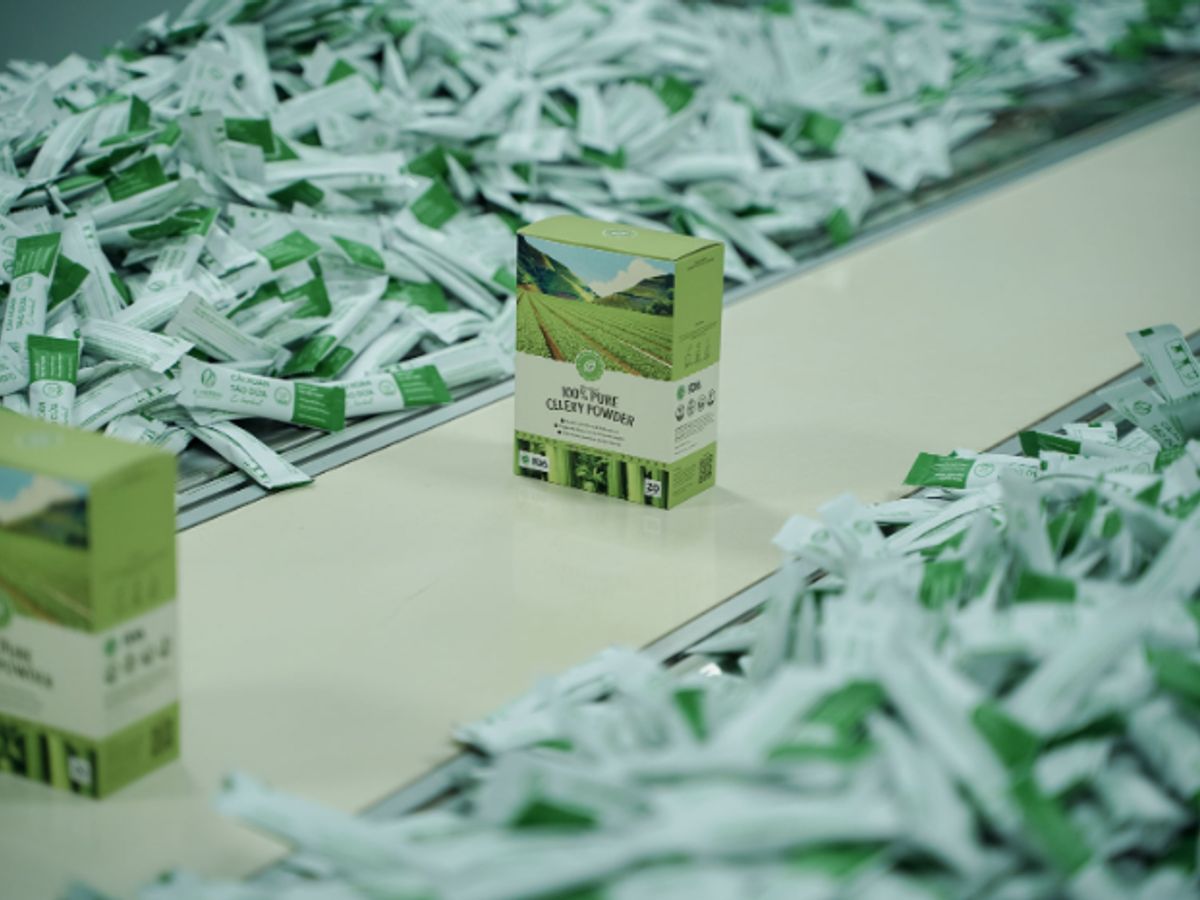
Clear Choking Hazard Warnings
Manufacturers have a big role in keeping kids safe. Clear and prominent choking hazard warnings on freeze-dried fruit packaging are a must. This isn’t just about following the rules; it’s about giving parents the info they need to make smart choices. Think about it: a small change in labeling can make a huge difference in preventing accidents. It’s also important to consider the age of the child. A warning label should be clear about what age group the product is suitable for.
Recommendations for Preparation and Serving
It’s not enough to just say there’s a risk; manufacturers should also give advice on how to lower that risk. This could mean suggesting ways to prep the fruit, like rehydrating it slightly or cutting it into smaller pieces. Serving suggestions should be age-appropriate and easy to follow. For example, a label might say, "For children under 3, rehydrate with water or milk until soft. Cut into pieces no larger than 1/4 inch." This kind of specific guidance can really help parents feel more confident when introducing freeze-dried fruit into their child’s diet.
Quality Control in Freeze-Dried Food Production
Quality control is super important. It’s not just about making sure the fruit tastes good; it’s about making sure it’s safe. This means checking for things like small, hard pieces that could be a choking hazard. It also means making sure the fruit is processed and packaged in a way that keeps it from breaking down into dangerous fragments. eHerbal, a manufacturer, innovator, and exporter in Vietnam, takes this seriously. Our factory uses advanced freeze-drying technology and strictly adheres to quality control procedures to meet food safety standards. We’re always looking for partners in the food and beverage industry and distributors who share our commitment to quality and safety. We believe freeze-drying is the future of nutrients and foods, and we’re dedicated to innovating in this space. We offer flexible OEM/ODM services to meet the unique needs of our partners.
Freeze-drying is more than just a way to preserve food; it’s a way to innovate and create new possibilities. By carefully controlling the process, we can retain the nutritional value of fruits and vegetables while also creating unique textures and flavors. This opens up a world of opportunities for creating healthy and convenient snacks for children and adults alike.
Here’s a quick look at some of the benefits of freeze-drying:
- Preserves nutrients
- Extends shelf life
- Creates unique textures
- Reduces weight for easy transport
Makers of products have a big job: they need to make sure their items are safe and that the labels tell you everything you need to know. This includes what’s inside, how to use it, and any warnings. It’s all about being clear and keeping you safe. Want to learn more about how we make sure our products are top-notch and clearly labeled? Visit our website today!
Conclusion
So, what’s the deal with freeze-dried fruit and little kids? It’s pretty clear that while these snacks are super handy and full of good stuff, we need to be smart about how we give them to our children. It’s not about saying no to freeze-dried fruit entirely. Instead, it’s about knowing the risks and taking steps to make things safer. Always watch your child when they’re eating, especially with new foods. And remember, every kid is different, so what works for one might not work for another. Being careful and paying attention can help make sure snack time stays fun and safe for everyone.
Frequently Asked Questions
What exactly is freeze-drying and how does it work?
Freeze-drying takes out all the water from food, but it keeps most of the good stuff like vitamins and minerals. It also makes the food super light and crunchy. This process is great for keeping food fresh for a long time without needing a fridge or weird chemicals.
Can freeze-dried fruits really be a choking risk for young children?
Yes, they can be. Because freeze-dried fruits are very dry and crunchy, they can break into small, sharp pieces. These tiny pieces can be easy for little kids to choke on, especially if they don’t chew well or if they try to eat too much at once. Also, because they are so light, they can be easily inhaled.
How can I make freeze-dried fruit safer for my child to eat?
To make freeze-dried fruit safer, you can crush it into a powder and mix it into yogurt or oatmeal. You can also rehydrate it by soaking it in a little water until it’s soft. Always make sure your child is sitting down and you are watching them closely when they eat, especially new or tricky foods.
At what age is it generally safe to introduce freeze-dried fruit to children?
It’s best to wait until your child is at least 12 months old and has developed good chewing and swallowing skills. Even then, start with very small amounts and always prepare it in a safe way, like crushing it or rehydrating it. Every child is different, so watch your child closely.
Are freeze-dried fruits as healthy as fresh fruits for kids?
While freeze-dried fruits keep many nutrients, they don’t have the same amount of water as fresh fruit. It’s important to offer a variety of fruits, both fresh and freeze-dried, to make sure your child gets all the different vitamins, minerals, and fiber they need for healthy growth.
What are manufacturers doing to ensure the safety of freeze-dried fruit for children?
Many food companies, like eHerbal, are working hard to make sure their products are safe. They often put warnings on their labels about choking hazards and give tips on how to prepare the food for young children. Always check the packaging for these important safety instructions.
You may also be interested in
Are Freeze Dried Strawberries Keto-Friendly? A Comprehensive Guide
Read more...May
Are Freeze Dried Fruits Nutritious? Unpacking Their Health Benefits and Nutritional Value
Read more...Apr
Where to Find Freeze Dried Fruit Wholesale: What Aisle is Freeze Dried Fruit In?
Read more...Apr
Is Freeze Dried Fruit Better Than Dehydrated? Exploring the Differences and Benefits
Read more...Apr
Is Freeze Dried Fruit Good for Weight Loss? Discover the Surprising Benefits!
Read more...Apr
How Long Will Freeze Dried Fruit Last? Understanding Shelf Life and Storage Tips
Read more...Mar