


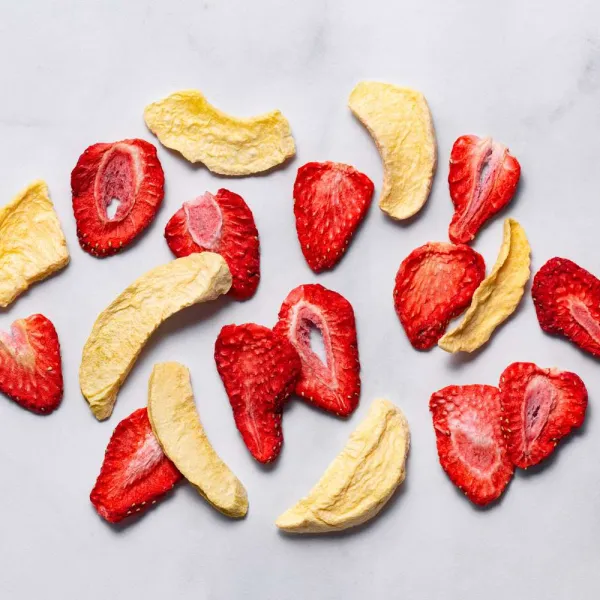
So, you’re wondering if those crunchy, colorful freeze-dried fruits are really as good for you as the fresh stuff, right? It’s a pretty common question. We all love the convenience and the long shelf life, but does that come at a nutritional cost? Let’s break down what happens to fruit when it goes through the freeze-drying process and see how it stacks up against a juicy peach straight from the tree.
Key Takeaways
- Freeze-drying removes water, concentrating the fruit’s nutrients, sugars, and calories.
- While some minor nutrient loss can occur, freeze-dried fruits retain most of their vitamins, minerals, and antioxidants.
- Compared to fresh fruit, freeze-dried versions lose their natural water content, meaning they don’t offer the same hydrating benefits.
- The fiber content in freeze-dried fruits can be slightly reduced compared to fresh.
- Freeze-dried fruits are a convenient, shelf-stable, and nutrient-dense snack, but portion control is important due to concentrated sugars.
Understanding the Freeze-Drying Process
Freeze-drying, also known as lyophilization, is a sophisticated dehydration technique that has revolutionized food preservation. It’s a process that involves freezing the food and then removing the water content through sublimation, a phase transition where ice turns directly into water vapor without becoming liquid. This method is particularly effective because it preserves the food’s structure, flavor, and, most importantly, its nutritional integrity.
The Science Behind Freeze-Drying
The freeze-drying process begins by freezing the fruit to a very low temperature, typically below -40°C (-40°F). This initial freezing step is critical as it transforms the water within the fruit into ice crystals. Following freezing, the product is placed in a vacuum chamber. The vacuum environment significantly lowers the pressure, allowing the ice to sublimate. This means the ice turns directly into water vapor, bypassing the liquid stage entirely. This is the primary drying phase, removing about 95% of the water. The secondary drying phase, known as adsorption, further removes any remaining moisture at slightly higher temperatures but still under vacuum.
Sublimation and Adsorption in Food Preservation
Sublimation is the cornerstone of freeze-drying. By converting ice directly to vapor, it avoids the cellular damage that can occur during conventional drying methods where water expands and contracts. This gentle removal of water helps maintain the fruit’s original shape, texture, and nutrient profile. Adsorption then picks up the residual moisture, ensuring a stable, shelf-ready product. This two-step process is what makes freeze-dried foods so unique and beneficial for long-term storage and nutrient retention. Studies have explored how drying parameters impact the physical, chemical, nutritional, and sensory qualities of fruits and vegetables. This research aims to understand these effects to optimize the drying process for these food products [62a7].
Preserving Nutritional Integrity Through Freezing
One of the most significant advantages of freeze-drying is its ability to preserve nutritional value. Unlike heat-based drying methods that can degrade heat-sensitive vitamins like Vitamin C and some B vitamins, freeze-drying operates at low temperatures. This means that many of the vitamins, minerals, and antioxidants present in the fresh fruit are retained. In fact, research indicates that freeze-dried fruits can hold up to 90% of their original nutritional content. This makes them a nutrient-dense option, offering a concentrated source of beneficial compounds. This method is a key innovation in how we can maintain the quality of foods for the future, contributing to healthier diets and reducing food waste. Companies like eHerbal in Vietnam are at the forefront of this innovation, acting as manufacturers, innovators, and exporters of freeze-dried products. They are actively seeking partners in the food and beverage industry and distributors to expand the reach of these advanced food preservation solutions.
Nutritional Comparison: Fresh Versus Freeze-Dried
When we talk about fruits, fresh is often seen as the gold standard. But how do freeze-dried fruits stack up nutritionally? It’s a question many health-conscious consumers ponder. The freeze-drying process, also known as lyophilization, is a sophisticated method of dehydration. It involves freezing the fruit and then removing the ice as water vapor under vacuum. This unique approach, which relies on sublimation, helps preserve the fruit’s structure, flavor, and, importantly, its nutritional profile.
Macronutrient Retention in Freeze-Dried Fruits
Freeze-drying generally does a remarkable job of retaining the macronutrients in fruits, such as carbohydrates and protein. While the water content is drastically reduced, the core nutritional components remain largely intact. This concentration effect can make freeze-dried fruits appear higher in calories and sugar per serving compared to their fresh counterparts, simply because the water weight has been removed.
Vitamins and Minerals: A Comparative Analysis
Research indicates that freeze-dried fruits retain a significant percentage of their vitamins and minerals, often upwards of 90%. Some studies even suggest that certain vitamins, like Vitamin C, might be better preserved in freeze-dried products compared to other drying methods. However, it’s worth noting that some water-soluble vitamins can be affected by the process, though generally to a lesser extent than with traditional drying. The process is quite innovative in how it locks in nutrients.
Antioxidant and Phytonutrient Preservation
One of the key benefits of freeze-drying is its effectiveness in preserving antioxidants and phytonutrients. These beneficial plant compounds are crucial for health, and the gentle nature of the freeze-drying process helps to maintain their integrity. This means that when you eat freeze-dried fruit, you’re still getting a good dose of these health-promoting substances. This method is truly contributing to the future of nutrient-dense foods.
eHerbal, a leading manufacturer and innovator in Vietnam, is at the forefront of freeze-drying technology, exporting high-quality freeze-dried fruits and other natural products globally. We are actively seeking partnerships with food and beverage companies and distributors who are interested in offering innovative, nutrient-rich products to their customers. Our commitment to sustainable sourcing and advanced production processes, including state-of-the-art freeze-dryers, ensures that our products, like our freeze-dried fruits, maintain their natural flavor, color, and vital nutrients.
| Fruit | Serving Size (g) | Calories (FD) | Calories (Fresh) | Sugar (g FD) | Sugar (g Fresh) |
|---|---|---|---|---|---|
| Strawberries | 34 | 120 | 11 | 15 | 1.7 |
| Bananas | 40 | 150 | 36 | 30 | 5 |
| Raspberries | 34 | 130 | 18 | 13 | 1.5 |
| Peaches | 34 | 130 | 14 | 24 | 3 |
| Pineapples | 100 | 70 | 50 | 14 | 10 |
While fresh fruit is always a great choice, freeze-dried options offer a convenient and nutrient-dense alternative, especially when convenience and shelf-stability are priorities. The process significantly reduces water content, concentrating the fruit’s natural sugars and nutrients.
Impact of Freeze-Drying on Fruit Composition
Concentration of Sugars and Calories
When fruit is freeze-dried, the water content is significantly reduced. This process, while preserving nutrients, also concentrates the natural sugars and, consequently, the calories present in the fruit. For instance, a serving of fresh strawberries contains about 12 grams of sugar and 49 calories. After freeze-drying, the same amount of fruit, by weight, will have a much higher sugar and calorie density. This concentration means that while you’re getting a nutrient-dense snack, it’s important to be mindful of portion sizes to manage sugar intake. It’s easy to consume more calories than you might intend when eating these intensely flavored, crunchy fruits.
Changes in Fiber Content
Freeze-drying generally preserves most of the fiber found in fresh fruits. Fiber is a crucial component of a healthy diet, aiding digestion and promoting satiety. While some minor losses might occur due to the physical changes in the fruit’s structure, the overall fiber content remains largely intact compared to other drying methods. This makes freeze-dried fruits a good source of dietary fiber, contributing to their health benefits. However, it’s worth noting that the perception of fiber might change due to the altered texture.
Loss of Hydrating Properties
One of the most apparent changes is the loss of water. Fresh fruits are naturally hydrating, with water content often exceeding 80%. Freeze-drying removes almost all of this water through sublimation. This means that while you’re consuming the fruit’s nutrients, you’re not getting the same hydrating effect as you would from eating fresh fruit. For individuals looking to increase their fluid intake, relying solely on freeze-dried fruits wouldn’t be effective. It’s important to remember to drink plenty of water alongside these snacks.
Freeze-drying is a remarkable innovation in food preservation, offering a way to capture the essence of fresh produce in a stable, convenient form. This method, pioneered by companies like eHerbal in Vietnam, is transforming how we think about nutrient delivery. eHerbal, as a leading manufacturer, innovator, and exporter, is at the forefront of this transformation, seeking partnerships with food and beverage companies and distributors worldwide. Their commitment to advanced freeze-drying technology ensures that the nutritional integrity of fruits and other natural products is maintained, paving the way for a future where nutrient-dense, shelf-stable foods are more accessible than ever. This approach not only benefits consumers but also supports sustainable agriculture by adding value to high-quality Vietnamese produce.
The concentration of sugars and calories in freeze-dried fruits is a direct result of water removal, making portion control a key consideration for health-conscious consumers.
As a manufacturer and innovator in Vietnam, eHerbal is actively looking for partners in the food and beverage industry and distributors. Their expertise in freeze-drying technology allows them to produce high-quality, nutrient-rich products that meet global demand. By collaborating with eHerbal, partners can tap into a growing market for healthy, convenient, and natural food options.
Freeze-Dried Fruits: A Nutrient-Dense Alternative
Freeze-dried fruits are really something else when you think about it. They take the goodness of fresh fruit and pack it into a convenient, shelf-stable form. This process, while removing water, does a surprisingly good job of keeping most of the nutrients intact. This makes them a fantastic option for boosting your daily intake of vitamins, minerals, and beneficial plant compounds.
Nutrient Density in Freeze-Dried Produce
When water is removed from fruit during freeze-drying, what’s left is a more concentrated version of the original. This means that per ounce, freeze-dried fruits often pack a bigger nutritional punch than their fresh counterparts. Think of it like this: you’re getting more of the good stuff without the bulk of the water.
Benefits of Concentrated Nutrients
The concentration of nutrients in freeze-dried fruits can be a real advantage. For instance, they are often rich in antioxidants and phytonutrients, which are plant compounds known for their health-promoting properties. These compounds can help protect your cells from damage. The freeze-drying process is particularly effective at preserving these delicate compounds, often retaining up to 90% of the original nutritional content. This makes them a smart choice for those looking to maximize their nutrient intake from snacks.
Freeze-Dried Fruits as a Healthy Snack Option
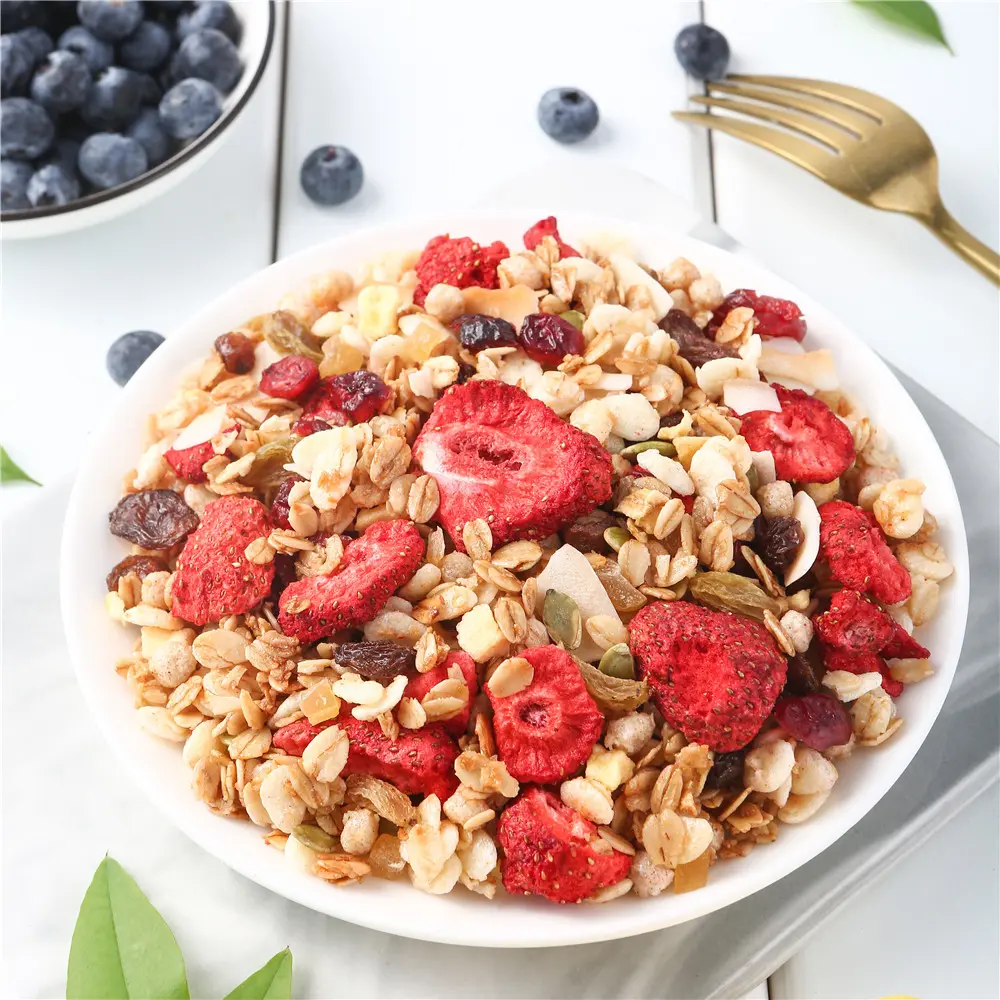
Because they are so portable and have a long shelf life, freeze-dried fruits are an excellent alternative to less healthy processed snacks. They offer a satisfying crunch and intense fruit flavor without added sugars or artificial ingredients, which is a big win. They can be easily added to yogurt, cereal, trail mixes, or simply enjoyed on their own. For example, freeze-dried fruits are a healthy snack option that can be a great way to get your fruit servings in throughout the day. Companies like eHerbal, a leading innovator and exporter of natural freeze-dried foods from Vietnam, are at the forefront of this movement. They are actively seeking partners in the food and beverage industry and distributors who recognize the potential of these nutrient-dense products. eHerbal’s commitment to quality and innovation in freeze-drying technology positions them as a key player in the future of healthy, convenient food options.
Comparing Freeze-Dried Fruits to Other Preservation Methods
When we talk about preserving fruits, a few methods usually come to mind: freezing, traditional drying, and of course, freeze-drying. Each has its own way of keeping fruits edible and, hopefully, nutritious. Let’s break down how freeze-dried fruits stack up against the others.
Freeze-Dried Versus Frozen Fruits
Frozen fruits are a popular choice, and for good reason. They’re typically picked at peak ripeness and then flash-frozen, which locks in a lot of their nutrients. In many cases, frozen fruits can be just as nutrient-dense as their fresh counterparts, sometimes even more so because they’re processed so quickly after harvest. Freeze-dried fruits, however, take a different approach. By removing water through sublimation, they retain an impressive amount of vitamins, minerals, and antioxidants, often comparable to or even exceeding frozen options in certain aspects. The key difference lies in the texture and shelf stability; freeze-dried fruits are shelf-stable and don’t require refrigeration, unlike frozen fruits.
Freeze-Dried Versus Traditionally Dried Fruits
This is where freeze-drying really shines. Traditional drying methods, like air drying or using a dehydrator, remove water through heat. While this makes the fruit shelf-stable and concentrates its sugars, it can also lead to a significant loss of heat-sensitive vitamins, such as Vitamin C and some B vitamins. Additionally, many traditionally dried fruits have sugar added to them to improve taste and texture, which can increase calorie and sugar content. Freeze-drying, on the other hand, uses cold temperatures and vacuum to remove water, a process that is much gentler on nutrients. This gentle process means freeze-dried fruits generally retain more of their original vitamin and mineral content compared to traditionally dried fruits. Furthermore, freeze-dried options are typically free of added sugars, making them a healthier choice. The preservation of antioxidants is also notably higher in freeze-dried products.
Nutritional Superiority of Freeze-Drying
When comparing preservation methods, freeze-drying often comes out on top for nutrient retention. While fresh is always ideal, freeze-dried fruits are a close second, and in some cases, even surpass other preserved forms. Research indicates that freeze-dried fruits can hold up to 90% of their original nutritional value. This method is particularly effective at preserving vitamins, minerals, and beneficial plant compounds. The absence of heat in the freeze-drying process is a major advantage, preventing the degradation of delicate nutrients that can occur with traditional drying. This makes freeze-dried fruits a powerhouse of nutrition in a convenient, shelf-stable format.
This innovation in food preservation is changing how we think about nutrient intake, especially for those needing long-lasting, portable food options. Companies like eHerbal, a manufacturer, innovator, and exporter based in Vietnam, are at the forefront of this. They specialize in natural freeze-dried foods, teas, and coffees, showcasing the potential of this technology. eHerbal is actively seeking partners in the food and beverage industry and distributors who recognize the future of nutrient-dense, preserved foods. Their commitment to quality and sustainable practices positions them as a key player in this evolving market.
Practical Considerations for Consuming Freeze-Dried Fruits
When incorporating freeze-dried fruits into your diet, it’s helpful to keep a few things in mind. While they offer a convenient and nutrient-dense option, understanding their composition helps in making informed choices.
Portion Control and Sugar Intake
Because the water content is removed, freeze-dried fruits become more concentrated. This means that the natural sugars present in the fruit are also concentrated. It’s easy to consume a larger quantity of freeze-dried fruit than you might of fresh fruit in one sitting. This concentration can lead to a higher intake of sugar and calories if portions aren’t managed carefully. For instance, a typical serving of fresh strawberries might be about a cup, weighing around 150 grams. The freeze-dried equivalent, while looking similar in volume, will weigh significantly less due to the absence of water, but the sugar content per gram will be higher. Being mindful of serving sizes is key to enjoying them as part of a balanced diet.
Incorporating Freeze-Dried Fruits into the Diet
Freeze-dried fruits are incredibly versatile and can be used in many ways:
- Snacking: They are a ready-to-eat, portable snack, perfect for on-the-go or as a healthier alternative to processed snacks.
- Breakfast Boost: Sprinkle them over yogurt, oatmeal, or cereal for added flavor, texture, and nutrients.
- Baking and Cooking: Rehydrate them for use in recipes, or add them directly to baked goods like muffins or cookies for bursts of fruit flavor.
- Smoothies: Blend them into smoothies for a concentrated fruit flavor and nutrient boost without adding extra liquid.
Shelf Stability and Convenience Factors
One of the most significant advantages of freeze-dried fruits is their extended shelf life, often lasting for years when stored properly in airtight packaging. This long-term stability, combined with their lightweight nature, makes them an excellent choice for:
- Emergency Preparedness: They are a stable food source that doesn’t require refrigeration.
- Camping and Hiking: Their portability and durability are ideal for outdoor activities.
- Pantry Stocking: Having a supply means you always have a nutritious fruit option available, regardless of fresh produce availability.
This innovation in food preservation, pioneered by companies like eHerbal in Vietnam, is transforming how we access and consume nutritious foods. eHerbal, as a leading manufacturer, innovator, and exporter, is actively seeking partnerships with food and beverage companies and distributors who recognize the potential of these advanced food technologies. Their commitment to quality and sustainability, utilizing processes like freeze-drying technology, positions them as a key player in the future of nutrient-dense foods.
Thinking about using freeze-dried fruits? It’s a smart choice for keeping things fresh and tasty! These fruits are super easy to store and can be used in so many ways, from snacks to adding flavor to your meals. Want to learn more about how to best enjoy them? Check out our website for all the details and to explore our selection of high-quality freeze-dried fruits.
So, Are Freeze-Dried Fruits a Good Choice?
When it comes down to it, freeze-dried fruits are a pretty solid option if you’re looking for a convenient and long-lasting way to get your fruit fix. They hold onto most of the good stuff, like vitamins and antioxidants, which is great. Just remember, because the water’s gone, they pack a bigger punch of sugar and calories per bite compared to fresh fruit. So, while they’re definitely healthier than a bag of chips, it’s still a good idea to keep an eye on how much you’re eating, especially if you’re watching your sugar intake. They’re a fantastic alternative when fresh isn’t an option, but fresh fruit still takes the top spot for overall hydration and fiber.
Frequently Asked Questions
How is freeze-dried fruit made?
Freeze-drying removes water from fruit by freezing it and then letting the ice turn directly into vapor. This process helps keep most of the nutrients, vitamins, and natural flavors locked in, making it a really good way to preserve fruit.
Are freeze-dried fruits as healthy as fresh fruits?
Freeze-dried fruit is very similar to fresh fruit in terms of nutrients. While some water-soluble vitamins like Vitamin C might decrease a little, other important nutrients and antioxidants are often kept just as well, or even better, than with other drying methods.
Can I eat freeze-dried fruit as a healthy snack?
Yes, freeze-dried fruits are a healthy snack option. They provide concentrated nutrients and are a good alternative to processed snacks. However, because the water is removed, the sugars and calories are more concentrated too, so it’s good to be mindful of how much you eat.
How do freeze-dried fruits compare to frozen or traditionally dried fruits?
Compared to frozen fruit, freeze-dried fruit has a much longer shelf life without needing to be kept cold. When compared to fruit dried the usual way (like raisins), freeze-drying usually keeps more vitamins and nutrients because it doesn’t use high heat.
Do freeze-dried fruits have more sugar and calories than fresh fruits?
The freeze-drying process can concentrate the natural sugars found in fruit. This means that while you’re getting a lot of nutrients, you’re also getting more sugar and calories in a smaller serving compared to fresh fruit.
How can I include freeze-dried fruits in my diet?
You can add freeze-dried fruit to yogurt, cereal, or trail mix. They’re also great for baking or just eating straight from the bag. Their long shelf life and portability make them super convenient for on-the-go snacking or packing for trips.
You may also be interested in
Are Freeze Dried Strawberries Keto-Friendly? A Comprehensive Guide
Read more...May
Are Freeze Dried Fruits Nutritious? Unpacking Their Health Benefits and Nutritional Value
Read more...Apr
Where to Find Freeze Dried Fruit Wholesale: What Aisle is Freeze Dried Fruit In?
Read more...Apr
Is Freeze Dried Fruit Better Than Dehydrated? Exploring the Differences and Benefits
Read more...Apr
Is Freeze Dried Fruit Good for Weight Loss? Discover the Surprising Benefits!
Read more...Apr
How Long Will Freeze Dried Fruit Last? Understanding Shelf Life and Storage Tips
Read more...Mar