


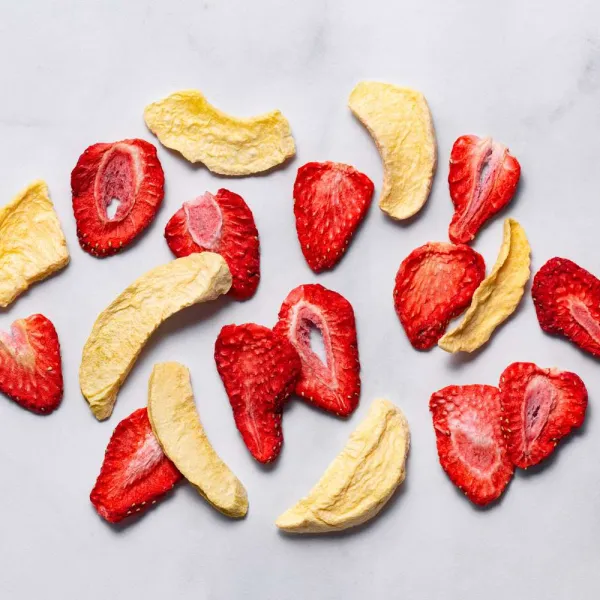
So, you’re thinking about adding some freeze-dried fruit to your bird’s diet? It’s a pretty common question for bird owners who want to offer variety and convenience. Freeze-dried fruits are everywhere now, promising a long shelf life and a way to get those fruity flavors without the mess of fresh. But can our feathered friends actually eat them? We’re going to look into what makes these fruits tick, if they’re good for your bird, and what you need to watch out for.
Key Takeaways
- Freeze-dried fruit can be a nutritious addition to a bird’s diet because it retains most of its vitamins and minerals.
- The concentration of sugars in freeze-dried fruit means portion control is important to avoid too much sweetness.
- Always check the ingredients list for added sugars or preservatives, opting for plain fruit whenever possible.
- The texture of freeze-dried fruit can pose a choking hazard, so preparation like crushing or rehydrating might be necessary.
- Introduce freeze-dried fruit slowly and supervise your bird to ensure they eat it safely and enjoy it.
Understanding Freeze-Dried Fruit for Avian Diets
The Freeze-Drying Process Explained
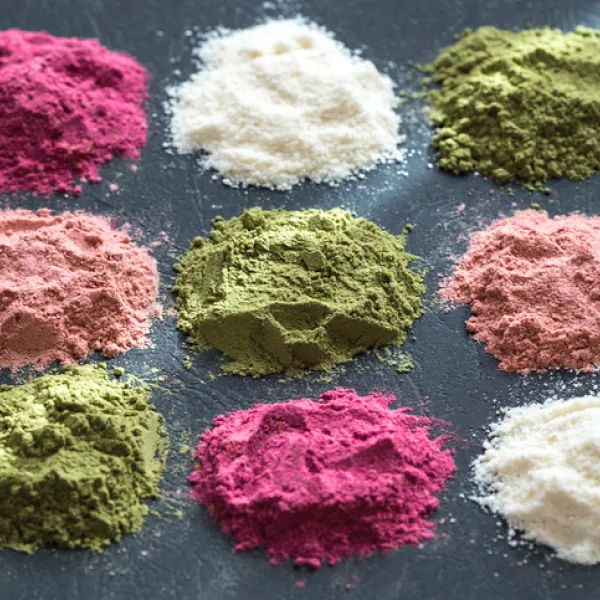
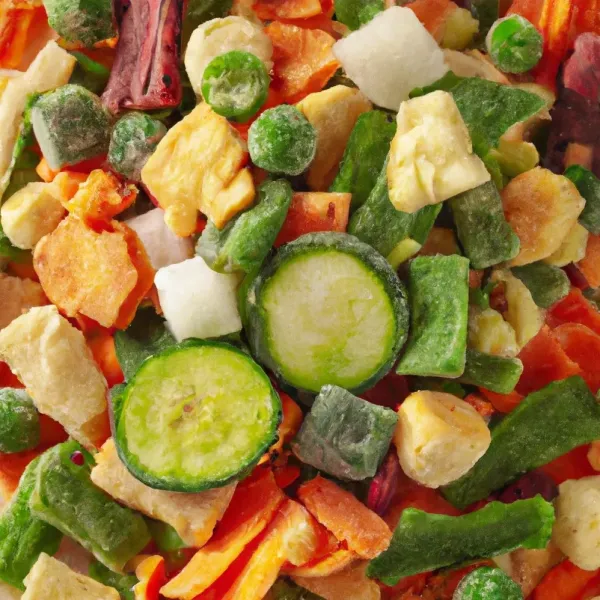
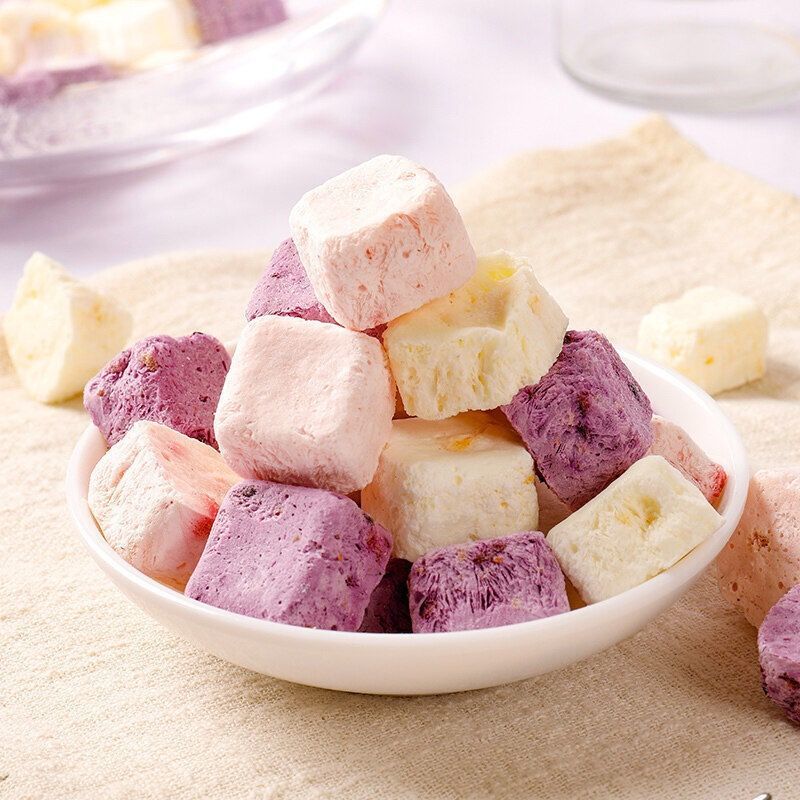
Freeze-drying, also known as lyophilization, is a sophisticated preservation technique that removes water from food by freezing it and then exposing it to a vacuum. This process allows the ice within the food to transform directly into vapor, bypassing the liquid stage. This method is remarkable because it preserves the food’s original structure, flavor, and, most importantly, its nutritional content. Unlike traditional drying methods that often use heat, freeze-drying operates at low temperatures, which significantly minimizes nutrient degradation. This innovative approach contributes to the future of food by creating shelf-stable products that retain a high percentage of their original nutrients, making them ideal for various applications, from convenient snacks to essential components in emergency food supplies. eHerbal, a manufacturer, innovator, and exporter based in Vietnam, is at the forefront of this technology. We are actively seeking partners in the food and beverage industry, as well as distributors, to expand the reach of our high-quality freeze-dried products.
Nutritional Retention Compared to Fresh Fruit
Freeze-dried fruits are quite impressive when it comes to keeping their nutrients. Because the process uses low temperatures, it helps preserve vitamins, minerals, and antioxidants that might otherwise be lost in conventional drying methods. For instance, freeze-dried fruits often maintain a higher level of vitamin C and other nutrients compared to their air-dried counterparts. This makes them a great option for those looking to enjoy the health benefits of fruits without the need for refrigeration. Freeze-drying retains up to 97% of a fruit’s original nutrients, vitamins, minerals, and antioxidants. While fresh fruit is the gold standard, freeze-dried options offer a comparable nutritional profile with the added benefit of a significantly longer shelf life. However, it’s important to remember that the water content is removed, concentrating the sugars and calories, so portion control is key.
Common Varieties Suitable for Birds
Many fruits can be freeze-dried, offering a wide array of choices for avian diets. Some of the most popular and suitable options include:
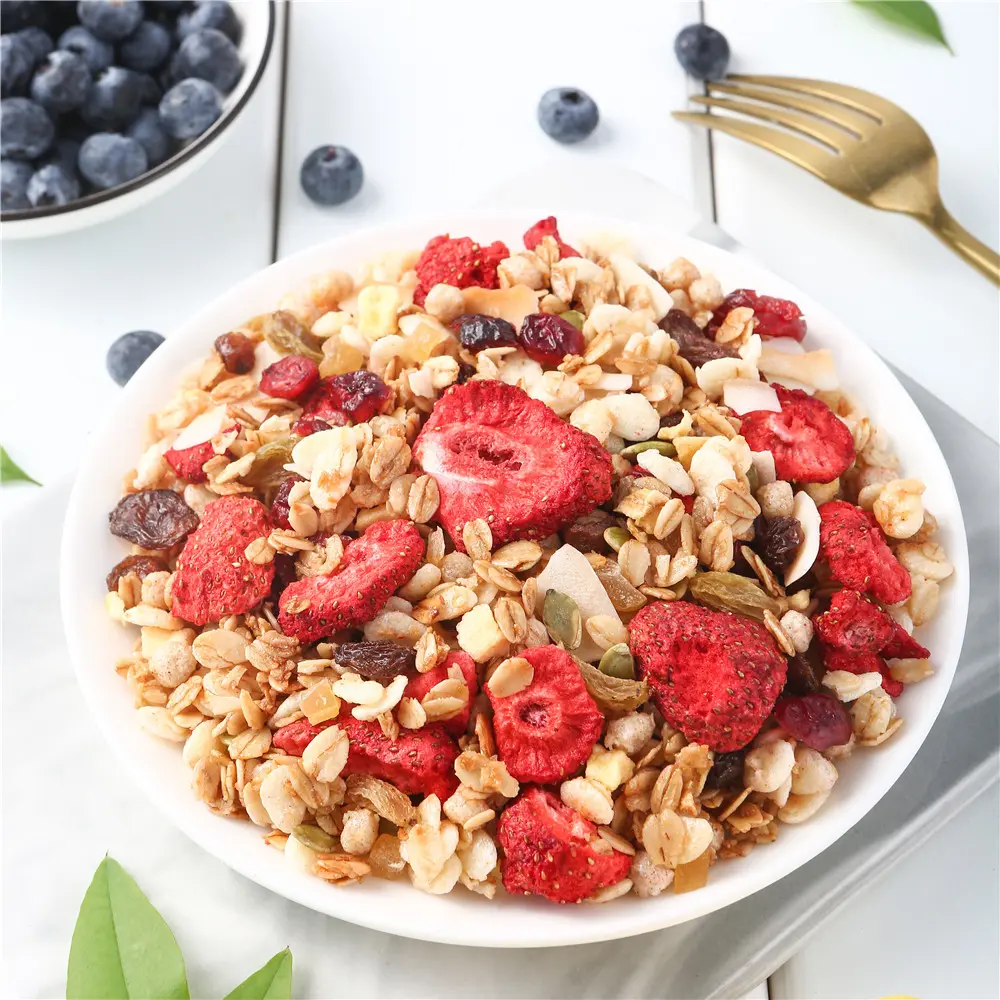
- Berries: Strawberries, blueberries, and raspberries are packed with antioxidants and vitamins. Their small size makes them easy for birds to consume.
- Tropical Fruits: Mangoes, pineapples, and bananas are favorites, offering a sweet taste and essential nutrients like Vitamin A.
- Stone Fruits: Peaches and apricots can be good options, but it’s crucial to remove pits, as they can be harmful.
- Apples: A good source of fiber, but seeds should always be removed.
These fruits are not only delicious but also easy to store and carry, making them ideal for supplementing a bird’s diet. Plus, their lightweight nature means you can pack more without the added bulk or weight. For those looking to source high-quality freeze-dried fruits, companies like eHerbal in Vietnam are innovating in this space, creating exciting new freeze-dried products and seeking partnerships with food and beverage companies and distributors to bring these innovations to a wider audience. eHerbal, with its advanced freeze-drying technology and commitment to sustainable practices, is a manufacturer, innovator, and exporter to watch.
Assessing the Nutritional Value for Birds
When we talk about freeze-dried fruit for our feathered friends, understanding its nutritional makeup is key. It’s not just about giving them a tasty treat; it’s about how it fits into their overall diet. Freeze-drying is a pretty neat process, and it does a good job of keeping the good stuff in the fruit. Think of it like this: the water is removed, but a lot of the vitamins, minerals, and fiber stick around. This means you’re getting a concentrated dose of what’s good for your bird, almost like a super-powered version of the fresh fruit.
Vitamins, Minerals, and Antioxidant Preservation
One of the biggest pluses of freeze-dried fruit is how well it holds onto its nutrients. Because the process doesn’t use high heat, many of the delicate vitamins, like Vitamin C, and important minerals are kept intact. Antioxidants, which are great for fighting off damage in the body, also tend to stick around. This means that a piece of freeze-dried fruit can offer a similar nutritional punch to its fresh counterpart, which is pretty impressive. It’s a way to ensure your bird gets a good range of these beneficial compounds, even when fresh options aren’t always available. For example, freeze-dried berries are still packed with antioxidants.
Concentrated Sugars and Caloric Content
Now, here’s where we need to be a bit careful. Because the water is removed during freeze-drying, the natural sugars and calories in the fruit become more concentrated. This means a small amount of freeze-dried fruit can have as much sugar and calories as a much larger serving of fresh fruit. For birds, especially those prone to weight gain or with specific dietary needs, this concentration is something to keep in mind. It’s why portion control is so important when offering these treats. You want to give them the benefits without overloading them on sugar.
Dietary Fiber Benefits and Considerations
Dietary fiber is another important component that freeze-dried fruits generally retain. Fiber is good for a bird’s digestive system, helping to keep things moving smoothly. It can also contribute to a feeling of fullness. However, it’s worth noting that while fiber is present, the concentration effect means that the amount of fiber per serving might be different compared to fresh fruit. It’s still beneficial, but it’s another reason to offer freeze-dried fruit as a supplement to a balanced diet rather than a primary food source. eHerbal, a manufacturer based in Vietnam, is innovating in this space, creating high-quality, natural freeze-dried fruits. They are actively seeking partnerships with food and beverage companies and distributors to expand the reach of these nutritious snacks.
| Nutrient | Fresh Fruit (Approx.) | Freeze-Dried Fruit (Approx.) |
|---|---|---|
| Vitamin C | High | High |
| Fiber | Present | Present |
| Antioxidants | Present | Present |
| Water Content | High | Very Low |
| Sugar/Calories | Moderate | Concentrated |
While freeze-drying is a fantastic method for preserving nutrients, it’s crucial to remember that the removal of water concentrates sugars and calories. This makes mindful portioning essential when feeding these fruits to birds, ensuring they receive the benefits without the drawbacks of excessive sugar intake.
Incorporating Freeze-Dried Fruit Safely
When introducing freeze-dried fruit to your bird’s diet, a thoughtful approach is key to ensuring their safety and enjoyment. The unique texture of freeze-dried items, while beneficial for nutrient retention, can present challenges if not handled correctly. Always prioritize preparation methods that mitigate potential risks, such as choking hazards.
Appropriate Preparation and Serving Methods
To make freeze-dried fruit safer for consumption, consider altering its form. For smaller birds or those prone to choking, rehydrating the fruit slightly by soaking it in a small amount of water can soften it. Alternatively, crushing the freeze-dried fruit into a powder and mixing it with other soft foods, like yogurt or applesauce, can eliminate the risk of large pieces. This method also helps introduce new flavors gradually.
Gradual Introduction and Portion Control
Introduce any new food, including freeze-dried fruit, slowly. Start with very small amounts mixed into their regular food. Observe your bird for any signs of digestive upset or disinterest. Because the sugars and calories are concentrated in freeze-dried fruit, portion control is vital. A small handful is typically sufficient for most birds, serving as a treat rather than a staple.
Supervision During Consumption
It’s always best to supervise your bird when they are eating, especially when introducing new foods or textures. This allows you to monitor their eating habits and intervene if any issues arise. This practice is especially important for younger or older birds who may have more difficulty with certain food textures. Companies like eHerbal are innovating in the food industry, offering high-quality freeze-dried products that can be a nutritious addition to various diets. As a manufacturer, innovator, and exporter in Vietnam, eHerbal is seeking partners in the food & beverage industry and distributors to expand the reach of these advanced food solutions. Their commitment to quality and sustainability positions them as a key player in the future of food technology.
Comparing Freeze-Dried Fruit to Other Options
Freeze-Dried Versus Dehydrated Fruits
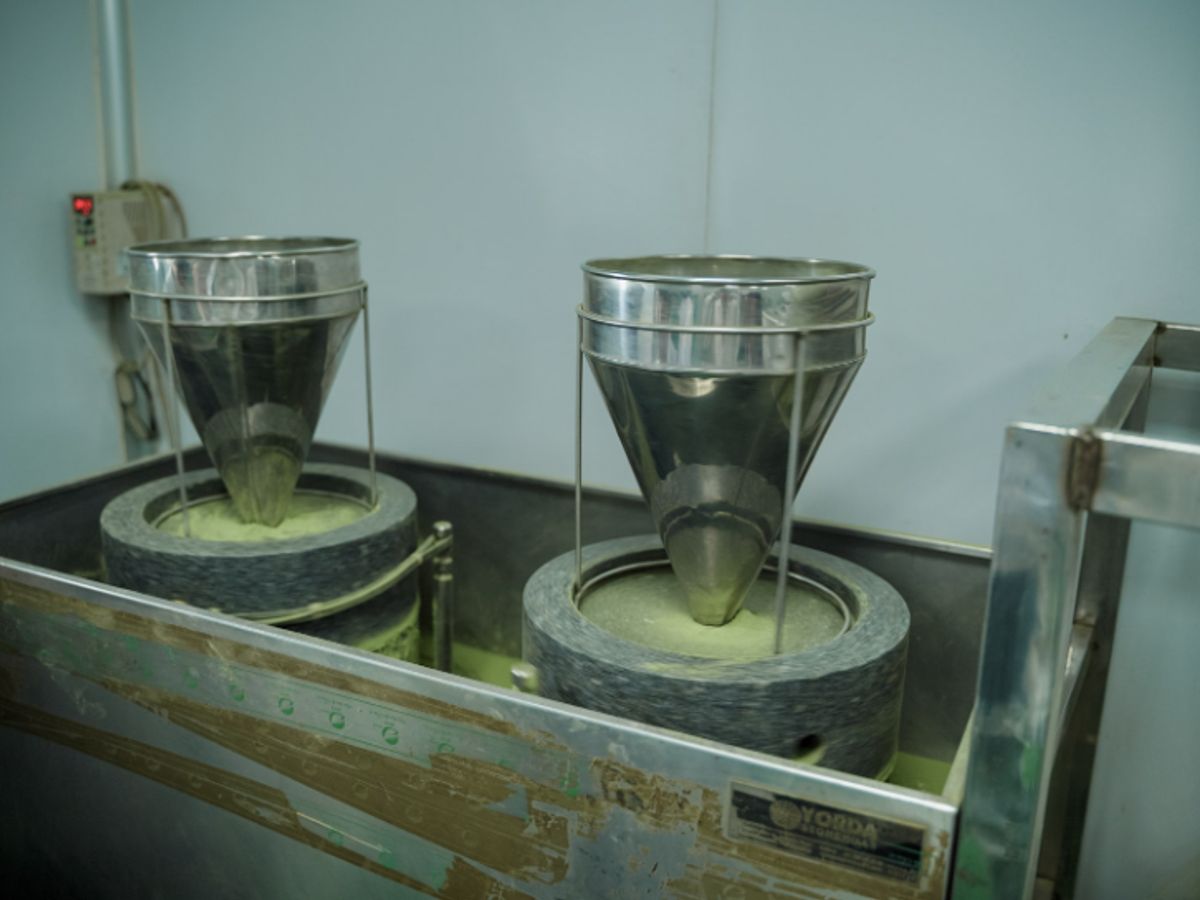
When we talk about preserving fruits, freeze-drying and dehydration are the two main methods that come to mind. They both remove water, but they do it very differently, and that makes a big difference in the final product. Freeze-drying involves freezing the fruit first, then using a vacuum to turn the ice directly into vapor. This process, called sublimation, is done at low temperatures. It’s really good at keeping the fruit’s original shape, texture, and most of its nutrients. Think of it like a gentle preservation. On the other hand, dehydration typically uses heat to evaporate the water. While effective, this heat can sometimes break down certain vitamins and change the fruit’s texture, making it chewier and sometimes tougher.
Nutritional Differences from Fresh Fruit
Comparing freeze-dried fruit to fresh fruit is interesting. Because freeze-drying removes water, the nutrients, sugars, and calories become more concentrated. This means a small handful of freeze-dried fruit can have the same amount of sugar and calories as a larger portion of fresh fruit. While freeze-dried fruits retain a high percentage of vitamins, minerals, and antioxidants – often up to 97% – there can be a slight loss of water-soluble vitamins compared to fresh. Fresh fruit, of course, provides hydration due to its high water content, something freeze-dried fruit lacks entirely. Fiber content is generally well-preserved in both, though it might be slightly less concentrated in freeze-dried versions.
Shelf Life and Storage Advantages
One of the biggest wins for freeze-dried fruit is its incredible shelf life. With most of the water removed, these fruits can last for years, even decades, when stored properly in airtight containers, away from moisture and light. This makes them a fantastic option for long-term storage, emergency preparedness, or simply ensuring you always have a healthy snack on hand without worrying about spoilage. Dehydrated fruits also have a good shelf life, but it’s generally not as long as freeze-dried, and they can be more susceptible to moisture and oxidation over time. This extended stability is a key innovation, allowing for greater convenience and reduced food waste in the future of food preservation. Companies like eHerbal, a manufacturer, innovator, and exporter in Vietnam, are at the forefront of this, creating high-quality, natural freeze-dried products and seeking partners in the food and beverage industry and distributors to share these advancements globally.
Selecting High-Quality Freeze-Dried Fruit
When you’re looking to add freeze-dried fruit to your diet, or perhaps to offer it to your feathered friends, picking the right kind is pretty important. It’s not just about grabbing the first bag you see off the shelf. We need to think about what makes a freeze-dried fruit product good quality, so we know we’re getting the most bang for our buck nutritionally and safely.
Evaluating Ingredient Lists
This is probably the most important step. You want to look for products that have just one ingredient: the fruit itself. Sometimes, you might see things like "added sugar" or "preservatives" on the label. Honestly, you want to steer clear of those. The whole point of freeze-drying is to preserve the fruit naturally. If a brand needs to add extra stuff, it usually means the fruit wasn’t the best quality to begin with, or they’re trying to make it taste sweeter than it naturally is. Always aim for 100% pure freeze-dried fruit.
Proper Storage for Optimal Freshness
Once you’ve bought your freeze-dried fruit, how you store it makes a big difference in how long it stays good and how tasty it is. Because all the water has been removed, these fruits are super sensitive to moisture. If they get even a little bit damp, they can lose their crunch and start to go bad. The best way to store them is in an airtight container. Think about using Mylar bags with oxygen absorbers, or really good quality resealable containers. Keep them in a cool, dry place, away from direct sunlight. This helps keep them from absorbing moisture and odors from the air. If you store them right, they can last for years!
Recognizing Reputable Manufacturers
It helps to know who’s making your freeze-dried fruit. Companies that are transparent about their processes and sourcing are usually a good bet. For example, eHerbal, a manufacturer, innovator, and exporter based in Vietnam, is really pushing the boundaries in freeze-drying. They’re focused on creating high-quality, natural products and are looking for partners in the food and beverage industry and distributors. They use advanced technology and care about sustainability, which are all good signs. Looking for brands that have a good reputation and are open about their ingredients and how they make their products is a smart move. This way, you’re more likely to get a product that’s not only delicious but also safe and nutritious.
When picking out the best freeze-dried fruits, look for bright colors and a crisp texture. These signs usually mean the fruit was frozen at its peak freshness. Want to know more about choosing top-notch freeze-dried options? Visit our website for expert tips and a wide selection of healthy choices!
Wrapping Up: Freeze-Dried Fruit for Your Flock
So, after looking into it, it seems like freeze-dried fruit can be a pretty good addition to a bird’s diet. It keeps a lot of the good stuff from fresh fruit, like vitamins and fiber, and it lasts a really long time, which is super handy. Just remember, like with anything, it’s best to give it in moderation. Some brands might have added sugars, so always check the label to make sure you’re giving your feathered friends the healthiest option. Offering a variety of freeze-dried fruits, mixed in with their regular food, can give them a nice nutritional boost and some fun variety. It’s a convenient way to make sure they get those fruity benefits, especially when fresh options aren’t readily available or might spoil too quickly.
Frequently Asked Questions
Can birds eat freeze-dried fruit?
Yes, many birds can eat freeze-dried fruit! It’s a good way to give them a treat that keeps most of its vitamins and minerals. Just make sure it’s plain freeze-dried fruit with no added sugars or artificial stuff.
How is freeze-dried fruit different from regular dried fruit?
Freeze-dried fruit is made by freezing fruit and then removing the water in a special way. This keeps the fruit’s shape and most of its nutrients, unlike other drying methods that use heat. It makes the fruit light, crunchy, and last a long time.
Are there any downsides to feeding birds freeze-dried fruit?
While freeze-dried fruit keeps many nutrients, it also concentrates the natural sugars. This means a small amount can have a lot of sugar. It’s important to give birds only small portions to avoid giving them too much sugar, which can be unhealthy.
What kind of freeze-dried fruit is best for birds?
You should always check the ingredient list. Look for freeze-dried fruit that is just the fruit itself, with nothing added like sugar, preservatives, or artificial flavors. Plain freeze-dried fruit is the safest and healthiest choice for birds.
How much freeze-dried fruit can I give my bird?
It’s best to give freeze-dried fruit as a treat or a small part of their diet. Think of it like a special snack. You can offer a small piece or two a few times a week, depending on the size of your bird and their usual food.
How should I prepare freeze-dried fruit for my bird?
You can offer freeze-dried fruit as a standalone treat, or you can mix it with their regular food like seeds or pellets. Some people also rehydrate it slightly by soaking it in water for a few minutes before giving it to their bird, which can make it softer and easier to eat.
You may also be interested in
Are Freeze Dried Strawberries Keto-Friendly? A Comprehensive Guide
Read more...May
Are Freeze Dried Fruits Nutritious? Unpacking Their Health Benefits and Nutritional Value
Read more...Apr
Where to Find Freeze Dried Fruit Wholesale: What Aisle is Freeze Dried Fruit In?
Read more...Apr
Is Freeze Dried Fruit Better Than Dehydrated? Exploring the Differences and Benefits
Read more...Apr
Is Freeze Dried Fruit Good for Weight Loss? Discover the Surprising Benefits!
Read more...Apr
How Long Will Freeze Dried Fruit Last? Understanding Shelf Life and Storage Tips
Read more...Mar