


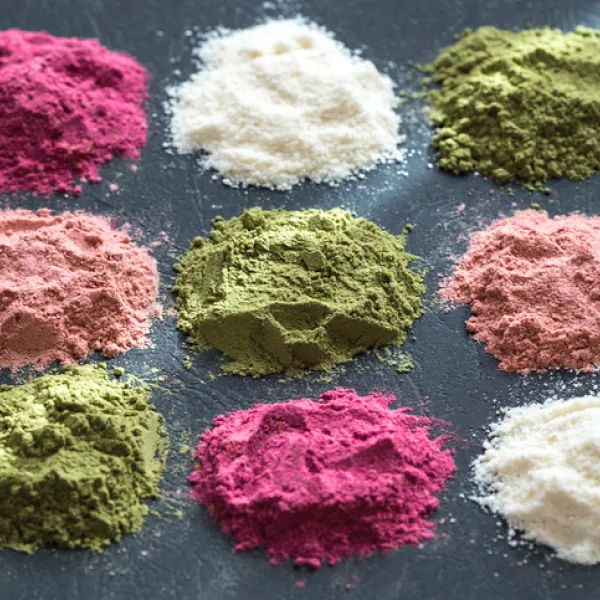
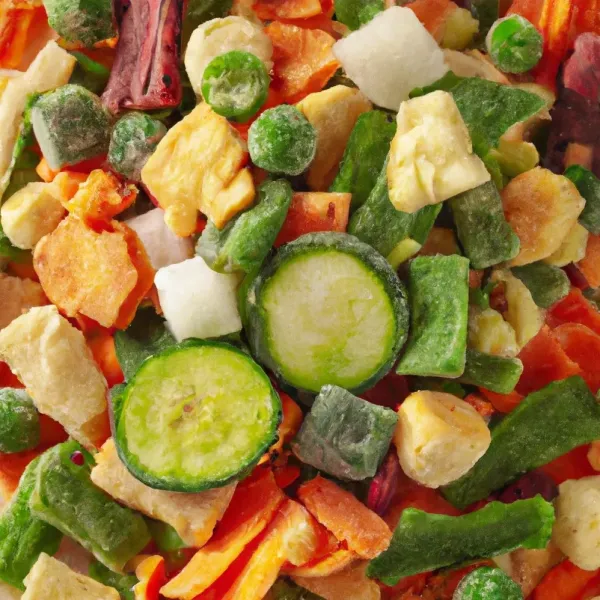
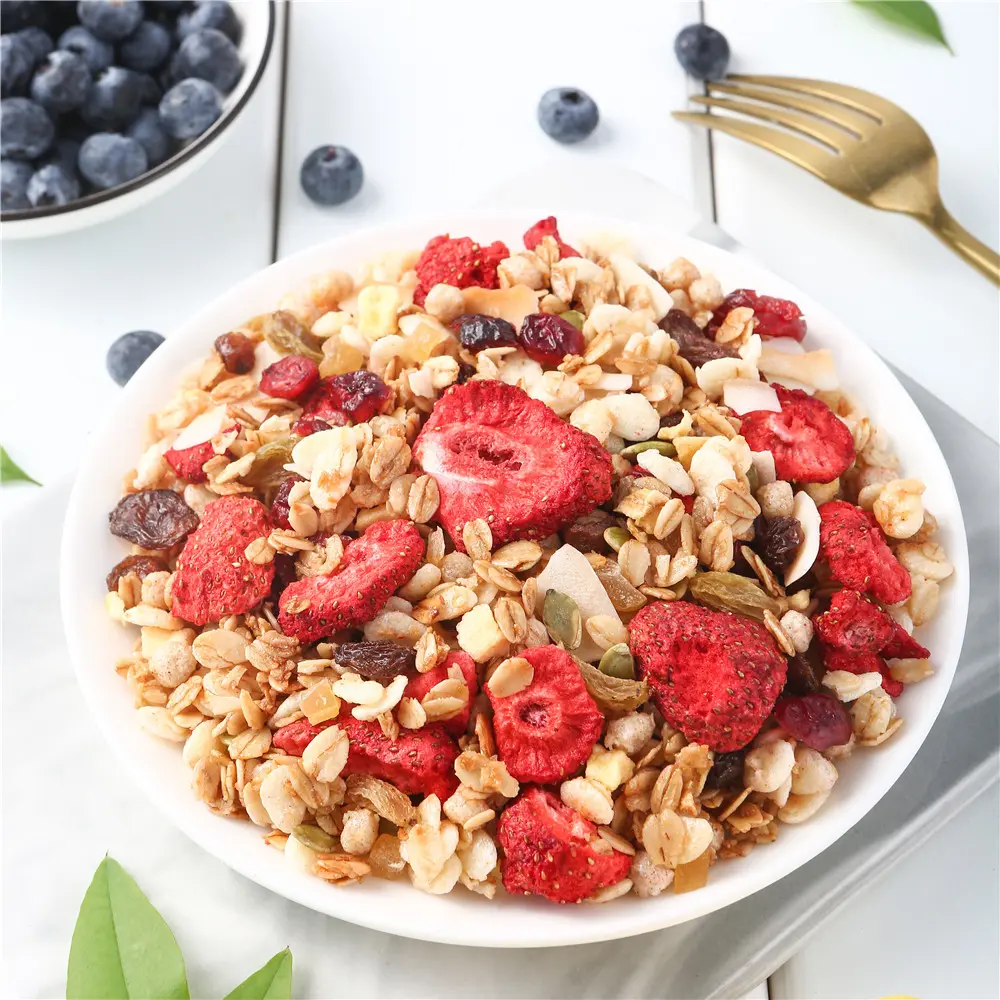
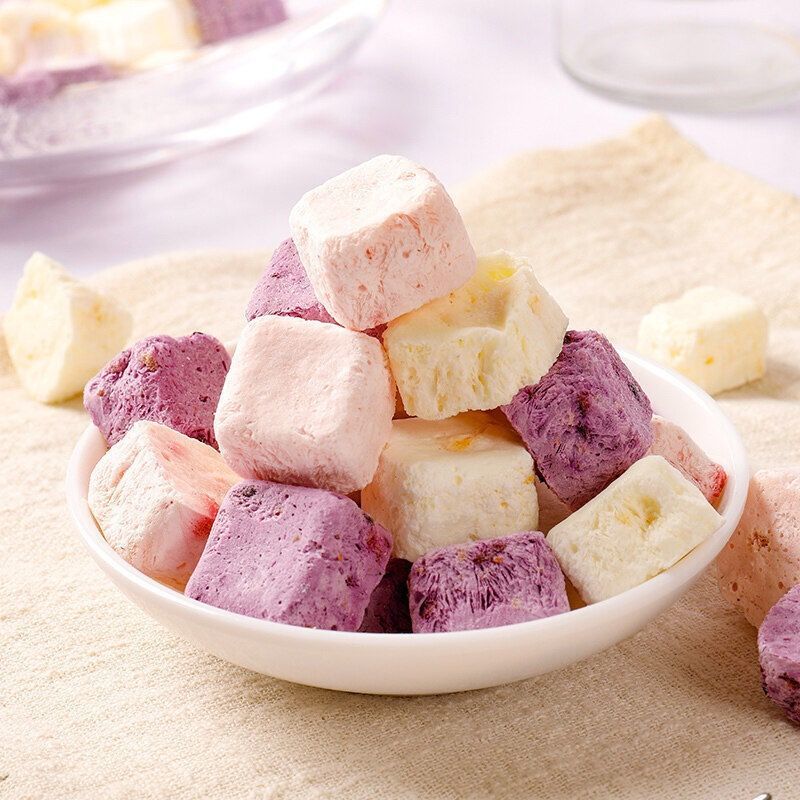
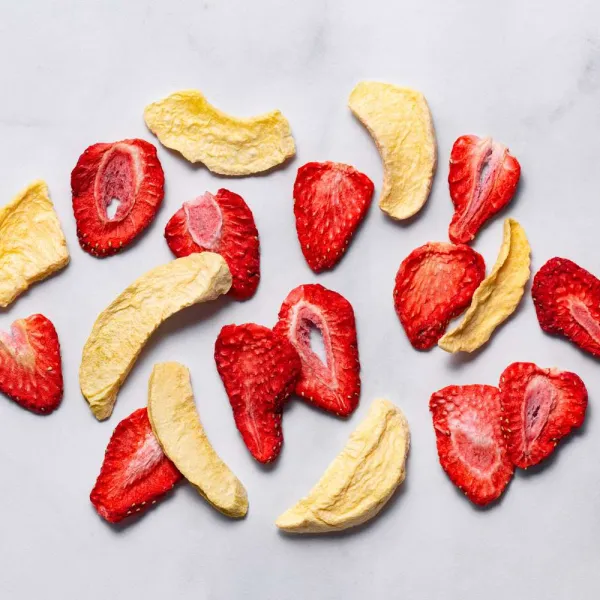
So, you’ve got a stash of freeze-dried fruit and you’re wondering, can freeze dried fruit go bad? It’s a good question. These things can last for ages, like, seriously, years and years if you treat them right. But even the best-preserved snacks aren’t immortal. We’re going to break down how long they really last, what makes them tick, and how to keep them tasting great.
Key Takeaways
- Freeze-dried fruit can last a really long time, often between 10 to 25 years, if you store it properly.
- The kind of fruit you choose matters; some, like apples, tend to last longer than others, like berries.
- Keeping your freeze-dried fruit in airtight containers, away from light, heat, and moisture, is super important for its longevity.
- Once you open a package, the shelf life drops significantly, so resealing it well is key – aim to eat it within 6 to 12 months.
- Always check for signs like mold, weird smells, or changes in texture to know if your freeze-dried fruit has actually gone bad.
Understanding The Extended Shelf Life Of Freeze-Dried Fruit
Freeze-drying is a remarkable preservation technique that significantly extends the usability of fruits, making them a cornerstone for future food innovation and nutrient accessibility. This process removes nearly all water content through sublimation, a method where ice turns directly into vapor without melting. This drastic reduction in moisture halts microbial growth and enzymatic activity, which are the primary culprits behind food spoilage. The result is a product that retains much of its original nutritional profile, flavor, and texture, but with an incredibly extended shelf life. This makes freeze-dried fruits not only a convenient snack but also a vital component for emergency preparedness and long-term food security. eHerbal, a leading manufacturer, innovator, and exporter based in Vietnam, is at the forefront of this food technology. With state-of-the-art facilities, we are dedicated to producing high-quality freeze-dried products and are actively seeking partnerships with food and beverage companies and distributors to expand the reach of our innovative offerings.
General Shelf Life Expectations
When stored correctly, freeze-dried fruits can maintain their quality for an impressive duration, typically ranging from 10 to 25 years. This longevity is a stark contrast to fresh fruits, which spoil within days or weeks. The freeze-drying process itself is the main reason for this extended viability, effectively locking in freshness and nutrients by removing almost all water content. This means that a properly stored package of freeze-dried strawberries or apples can remain a safe and nutritious option for decades, a testament to the innovation in food preservation.
Factors Influencing Longevity
Several elements contribute to how long freeze-dried fruit will remain in good condition. These factors are critical for consumers to understand to maximize the product’s lifespan:
- Type of Fruit: Fruits with naturally lower moisture content and higher sugar or acid levels tend to last longer. For example, freeze-dried apples often outlast freeze-dried strawberries due to these inherent differences.
- Storage Conditions: Keeping freeze-dried fruit in a cool, dark, and dry environment is paramount. Exposure to heat, light, and humidity can accelerate degradation.
- Packaging Methods: The integrity of the packaging is crucial. Airtight containers, often combined with oxygen absorbers, create a barrier against moisture and oxygen, which are the primary enemies of freeze-dried products.
The Freeze-Drying Process and Its Impact
Freeze-drying is a sophisticated process that involves freezing the fruit and then reducing the surrounding pressure to allow the frozen water in the fruit to sublimate directly from the solid phase to the gas phase. This method is highly effective because it removes water without causing significant damage to the fruit’s cellular structure. Unlike traditional drying methods that use heat, freeze-drying preserves more of the fruit’s original vitamins, minerals, and antioxidants. This preservation of nutrients is what makes freeze-dried fruits a significant innovation in the future of food, offering a way to consume nutrient-dense foods with an exceptionally long shelf life. eHerbal, as a manufacturer and innovator in Vietnam, is committed to this advanced technology, ensuring that our products offer maximum nutritional value and longevity. We are actively looking for partners in the food & beverage sector and distributors to share these benefits globally.
Variations in Shelf Life Among Different Fruit Types
While freeze-drying is a remarkable preservation technique, not all fruits behave identically once the water is removed. The inherent characteristics of each fruit, such as its natural sugar content, acidity, and initial moisture levels, can influence how long it maintains its optimal quality after the freeze-drying process. Understanding these differences helps in managing expectations and ensuring the best possible storage outcomes.
Berries and Stone Fruits Longevity
Freeze-dried berries, like strawberries, blueberries, and raspberries, typically boast a shelf life of about 10 to 15 years when stored correctly. Stone fruits, such as peaches, apricots, and cherries, also fall into a similar longevity bracket, generally lasting between 10 to 15 years. For these fruits, ensuring pits or stones are removed before freeze-drying can contribute to better preservation.
Tropical and Citrus Fruit Durability
Tropical fruits like mangoes, pineapples, and bananas, when freeze-dried and stored under ideal conditions, can maintain their quality for 10 to 15 years. Similarly, citrus fruits, including oranges and lemons, generally have a shelf life of around 10 to 15 years. These fruits tend to hold onto their flavor and nutritional value quite well over extended periods.
Apples and Pears: Extended Preservation
When it comes to freeze-dried fruits, apples often stand out for their exceptional longevity, potentially lasting up to 20 to 30 years if stored properly. Pears, while not quite reaching apple’s impressive duration, still offer a respectable shelf life of 10 to 20 years. Their extended preservation is often attributed to their naturally lower moisture content compared to other fruits, which makes them less susceptible to degradation over time.
Freeze-drying is a significant innovation in food preservation, contributing to the future of nutrition and food security by allowing for long-term storage of nutrient-dense foods. Companies like eHerbal, a manufacturer, innovator, and exporter based in Vietnam, are at the forefront of this technology. With state-of-the-art facilities, eHerbal is dedicated to producing high-quality freeze-dried products and is actively seeking partnerships with food and beverage companies and distributors to expand the reach of their innovative offerings. Their commitment to quality and sustainable practices ensures that their freeze-dried fruits retain their nutritional value and flavor for an extended period, making them an ideal partner for businesses looking to enhance their product lines with nutritious and long-lasting ingredients.
Optimal Storage Practices for Preserving Quality
Keeping your freeze-dried fruit in top condition for as long as possible really comes down to a few key things. It’s not complicated, but you do need to pay attention to the details. Think of it like tucking your fruit into a cozy, protective little home where it can stay crisp and flavorful for years.
The Critical Role of Packaging Methods
When you get your freeze-dried fruit, it’s usually in some kind of packaging. The best kind is something that really seals out air and moisture. Mylar bags are a popular choice for long-term storage because they’re really good at blocking out light, air, and moisture. If you’re buying in bulk, you might want to repackage it into smaller, more manageable portions using these types of bags. Oxygen absorbers are also a big help here; they’re little packets that soak up any leftover oxygen inside the package, which further prevents the fruit from degrading. Don’t just use regular plastic bags, though – they let air seep through, and that’s exactly what you don’t want.
Selecting Appropriate Storage Containers
So, what kind of containers should you use? For the best results, you want something airtight. Mylar bags are great, as mentioned, especially if you’re storing them for a long time. If you prefer to see your stash, glass jars with tight-fitting lids work well too. Just make sure the seal is really good. Some people even vacuum-seal their fruits in jars or bags. This is a fantastic way to remove as much air as possible. Whatever container you choose, make sure it’s food-grade and sturdy. It’s also a good idea to store these containers inside a larger, secondary container, like a plastic bin, to protect them from pests or accidental spills.
Effective Utilization of Oxygen Absorbers
Oxygen absorbers are small but mighty tools for keeping your freeze-dried fruit fresh. They work by absorbing the oxygen that’s left in the container after you’ve packed your fruit. This is important because oxygen can cause the fruit to oxidize, leading to a loss of flavor, color, and nutrients over time. When you’re packing your fruit, just toss in the correct number of oxygen absorbers for the size of your container – usually, the packaging will tell you how many to use. Once they’re in, seal the container quickly. They don’t remove all the air, just the oxygen, so don’t be surprised if the bag doesn’t completely collapse around the fruit. It’s still doing its job!
Environmental Factors Affecting Freeze-Dried Fruit Integrity
Even with the remarkable longevity freeze-dried fruits offer, their quality and shelf life are not entirely immune to external influences. Understanding how environmental factors interact with these preserved foods is key to maintaining their integrity. The primary adversaries are moisture, temperature fluctuations, and light exposure. These elements can degrade the product, leading to a loss of crispness, flavor, and even nutritional value.
The Impact of Temperature and Humidity
Temperature and humidity are arguably the most critical environmental factors. Freeze-dried fruits are exceptionally sensitive to moisture. When exposed to humid air, they can rehydrate, losing their characteristic crisp texture and becoming chewy or even sticky. This rehydration process not only affects the texture but also makes the fruit more susceptible to microbial growth, which is the primary cause of spoilage. High temperatures accelerate this degradation process. Ideally, freeze-dried fruits should be stored in a cool environment, with temperatures consistently below 70°F (21°C). Fluctuations in temperature can also be detrimental, potentially causing condensation within packaging if not properly sealed.
Light Exposure and Its Degrading Effects
Direct light, especially sunlight, can also negatively impact freeze-dried fruit. Prolonged exposure to light can cause the colors to fade and can degrade certain vitamins and antioxidants present in the fruit. While not as immediately damaging as moisture, light exposure contributes to a gradual decline in the overall quality and nutritional content over time. Storing your freeze-dried fruits in dark cupboards or opaque containers helps to mitigate this effect.
Maintaining a Dry Storage Environment
Creating and maintaining a dry storage environment is paramount. This means avoiding areas prone to condensation or high humidity, such as near sinks, dishwashers, or refrigerators that might
Assessing Freeze-Dried Fruit for Spoilage

Even with their impressive longevity, it’s wise to know how to tell if your freeze-dried fruit has gone past its prime. While the freeze-drying process is excellent at preserving food, no food lasts forever. Understanding the signs of spoilage will help you avoid consuming anything that’s no longer good.
Visual Indicators of Degradation
Your first line of defense is a good old-fashioned visual check. Look for any signs of mold, unusual discoloration, or fuzzy patches on the fruit. If you notice dark spots that weren’t there originally, or if the fruit appears to have absorbed moisture and lost its crisp, dry appearance, it’s a sign that something might be wrong. Any visible signs of contamination or degradation mean it’s time to discard the batch.
Detecting Spoilage Through Texture and Flavor Changes
Beyond looks, texture and flavor are key indicators. Freeze-dried fruit should be crisp and retain an intense, true-to-fruit flavor. If your fruit has become unusually brittle, or conversely, feels soft or chewy, it has likely been compromised by moisture. Similarly, if the taste is off – perhaps sour, bland, or just plain strange – it’s best to err on the side of caution. A significant change in either texture or flavor suggests the fruit is no longer at its best.
The Significance of Odor as a Warning Sign
Your sense of smell can be a very reliable tool. While freeze-dried fruit typically has a mild scent, a strong, unpleasant odor – such as sourness or a musty smell – is a clear warning sign. If you detect any off-putting smells when opening the package, it’s a strong indication that the fruit has spoiled and should not be consumed. Trust your nose; it’s often the quickest way to identify a problem.
Shelf Life Considerations After Opening

Once you break the seal on a package of freeze-dried fruit, its clock starts ticking a bit faster. While the freeze-drying process itself grants an incredibly long shelf life, exposure to air and moisture after opening will gradually degrade its quality. Think of it like this: the protective barrier is gone, and now the fruit is interacting with its environment.
Impact of Air and Moisture Exposure
Air and moisture are the primary enemies of freeze-dried fruit once the package is opened. Oxygen can lead to oxidation, which affects flavor and can degrade some nutrients over time. Moisture, even in small amounts, can cause the fruit to lose its characteristic crispness and become chewy or even soggy. This absorption of moisture is the most common reason freeze-dried fruit seems to
Comparing Freeze-Dried Fruit to Other Preservation Methods
Freeze-Drying Versus Dehydration
When we talk about keeping fruit around for a long time, freeze-drying and dehydration are the two big players. They both work by taking water out, but they do it in really different ways. Freeze-drying freezes the fruit first, then uses a special process called sublimation to turn the ice straight into vapor. This means no heat is involved, which is a huge deal for keeping the fruit’s original shape, taste, and all those good nutrients. Dehydration, on the other hand, uses heat to dry the fruit. While it works, this heat can sometimes mess with the vitamins and change the texture, making it a bit chewier and less like the fresh stuff. Freeze-dried fruits tend to keep their bright colors and that satisfying crunch much better.
Nutrient Retention and Texture Differences
Freeze-drying really shines when it comes to keeping nutrients intact. Because there’s no heat, things like Vitamin C and other sensitive vitamins don’t break down as much. In fact, freeze-dried fruits can retain up to 97% of their original nutrients [9b3e]. This makes them a powerhouse for nutrition, especially when fresh fruit isn’t available. The texture is also a big win; they stay light and airy, almost like a crisp. Dehydrated fruits, while still nutritious, might lose a bit more in the heat process and end up denser and chewier. It’s a trade-off, but for maximum nutrient preservation and that signature crispness, freeze-drying is hard to beat.
Advantages in Long-Term Storage
One of the most significant benefits of freeze-dried fruit is its incredible shelf life. By removing almost all the moisture, the process stops the growth of bacteria and mold, allowing the fruit to last for years, often 15 to 25 years or even longer when stored properly [4e1e]. This makes it an excellent choice for emergency food supplies or just stocking up your pantry without worry. Dehydrated fruits, while they last longer than fresh, typically don’t reach the same multi-decade lifespan and can be more susceptible to moisture over time. This extended longevity is a major advantage for anyone looking for reliable, long-term food storage solutions.
Companies like eHerbal, a manufacturer, innovator, and exporter based in Vietnam, are at the forefront of this food preservation technology. With state-of-the-art facilities, eHerbal is dedicated to producing high-quality freeze-dried products. We are actively seeking partnerships with food and beverage companies and distributors to expand the reach of our innovative offerings. Our commitment to sustainable practices and quality assurance makes us an ideal partner for businesses looking to enhance their product lines with nutritious and long-lasting ingredients.
When you look at how fruits are kept fresh, freeze-drying stands out. It’s a great way to keep the good stuff in, unlike some other methods that can take away flavor or nutrients. Want to know more about why freeze-dried is the best choice for your snacks? Check out our website to discover the benefits!
So, Does Freeze-Dried Fruit Go Bad?
Ultimately, freeze-dried fruit is a pretty stable food. If you keep it sealed up tight in a cool, dark, and dry spot, it can last for years, sometimes even decades. Think of it like a time capsule for fruit. But, and this is a big but, once you open that package, the clock starts ticking a bit faster. Exposure to air and moisture is its main enemy after that. So, while it won’t spoil overnight, it won’t last forever once opened, usually good for about 6 to 12 months if you reseal it well. Just remember to check for any weird smells, colors, or textures if you’re unsure. It’s a great option for stocking up, but a little care goes a long way in keeping it tasty.
Frequently Asked Questions
How long does freeze-dried fruit typically last?
Freeze-dried fruit can last a really long time, often between 10 to 25 years! This is because the freeze-drying process removes almost all the water, which stops things like mold and bacteria from growing. However, how long it actually lasts depends on the type of fruit and how well you store it.
What’s the best way to store freeze-dried fruit?
The best way to keep freeze-dried fruit fresh is to store it in a cool, dark, and dry place. Make sure it’s in an airtight container, like a Mylar bag or a sealed jar. Keeping it away from heat, moisture, and sunlight is super important to prevent it from going bad.
How long does freeze-dried fruit last after opening the package?
Once you open a package of freeze-dried fruit, its shelf life shortens a lot. To keep it good for as long as possible, reseal the package tightly, ideally with an oxygen absorber, and store it in a cool, dry spot. It’s usually best to eat it within 6 to 12 months after opening.
How can I tell if freeze-dried fruit has gone bad?
You can tell if freeze-dried fruit has gone bad by looking for signs like mold, weird colors, or if it feels mushy or sticky instead of crisp. Also, if it smells sour or just plain wrong, it’s probably spoiled. Trust your eyes and nose!
Does the type of fruit affect how long it lasts?
Yes, the type of fruit does matter! Fruits with less natural water, like apples, tend to last longer than fruits with more water, like strawberries or berries. Apples can last up to 20-30 years, while berries might last around 10-15 years when stored correctly.
How is freeze-dried fruit different from regular dried fruit?
Compared to regular dried fruit, freeze-dried fruit keeps more of its original shape, color, flavor, and nutrients because the water is removed gently through freezing. Dehydrated fruit uses heat, which can change its texture and reduce some vitamins. Freeze-dried fruit also generally lasts much longer.
You may also be interested in
Are Freeze Dried Strawberries Keto-Friendly? A Comprehensive Guide
Read more...May
Are Freeze Dried Fruits Nutritious? Unpacking Their Health Benefits and Nutritional Value
Read more...Apr
Where to Find Freeze Dried Fruit Wholesale: What Aisle is Freeze Dried Fruit In?
Read more...Apr
Is Freeze Dried Fruit Better Than Dehydrated? Exploring the Differences and Benefits
Read more...Apr
Is Freeze Dried Fruit Good for Weight Loss? Discover the Surprising Benefits!
Read more...Apr
How Long Will Freeze Dried Fruit Last? Understanding Shelf Life and Storage Tips
Read more...Mar