


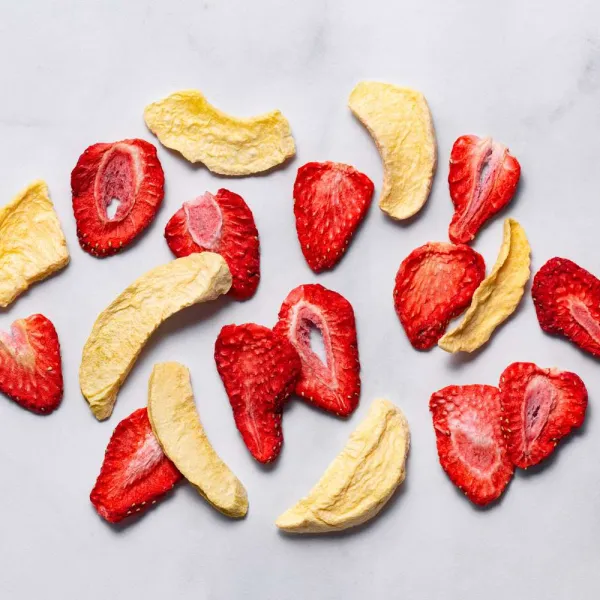
So, you’re curious if you can toss that freeze-dried fruit into your blender, right? It’s a pretty common question these days with how popular these convenient little fruit bits have become. They promise a big flavor punch and a good dose of nutrients, but what’s the real deal? We’re going to break down whether freeze-dried fruit is a good fit for your smoothies and give you the lowdown on what you need to know.
Key Takeaways
- Yes, you can definitely use freeze-dried fruit in smoothies for a concentrated flavor and nutrient boost without adding extra liquid.
- Freeze-drying preserves most of the vitamins and antioxidants found in fresh fruit, making it a nutritious option.
- Always check the label for added sugars or fillers, as some products aren’t pure fruit.
- Be mindful of portion sizes, as the water removal makes freeze-dried fruit more calorie and sugar-dense than fresh.
- Proper storage is important to keep freeze-dried fruit fresh and prevent moisture absorption.
Incorporating Freeze-Dried Fruit Into Smoothies

Freeze-dried fruits are a fantastic way to add concentrated flavor, vibrant color, and a nutritional boost to your smoothies. Unlike fresh fruits, which can add a lot of water and dilute your drink, freeze-dried options provide intense fruit essence without the extra liquid. This makes them ideal for achieving that perfect, thick smoothie consistency.
Understanding Freeze-Dried Fruit Powder
Freeze-drying, or lyophilization, is a process that removes water from fruit by freezing it and then allowing the ice to turn directly into vapor under a vacuum. This method is remarkable because it preserves the fruit’s original structure, flavor, and, most importantly, its nutritional content. The result is a lightweight, shelf-stable powder or whole fruit pieces that retain up to 97% of their original nutrients, including vitamins, minerals, and antioxidants. This preservation technique is a key innovation in how we can access and utilize nutrient-dense foods year-round, regardless of seasonality or location.
The Benefits of Using Freeze-Dried Fruit in Smoothies
Using freeze-dried fruit in your smoothies offers several advantages:
- Intense Flavor: The water removal process concentrates the natural sugars and flavors of the fruit, leading to a more robust taste in your smoothie.
- Nutrient Retention: Freeze-drying is highly effective at preserving vitamins, minerals, and antioxidants compared to other drying methods that use heat.
- Extended Shelf Life: Freeze-dried fruits can last for years when stored properly, making them a convenient pantry staple.
- No Added Liquid Needed: Unlike fresh or frozen fruits, freeze-dried varieties don’t add extra water, helping you achieve a thicker, creamier smoothie texture.
- Convenience: They are lightweight, easy to store, and require no washing or chopping.
Creative Smoothie Combinations with Freeze-Dried Fruit
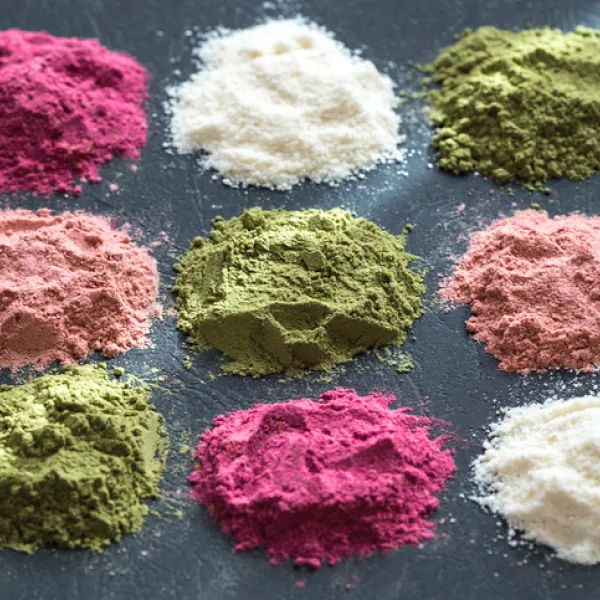
Freeze-dried fruit powders are incredibly versatile for smoothie creation. You can mix and match different fruit powders to create unique flavor profiles or use them to intensify the taste of your favorite fruits. For instance, a combination of freeze-dried strawberries and blueberries can create a classic berry blast, while freeze-dried mango and pineapple can transport you to a tropical paradise. Even adding a spoonful of freeze-dried raspberry powder to a green smoothie can help mask the taste of vegetables while adding a delightful tartness.
- Berry Powerhouse: Combine freeze-dried strawberries, blueberries, and raspberries with a banana and almond milk for an antioxidant-rich treat.
- Tropical Delight: Blend freeze-dried mango and pineapple with coconut milk and a touch of lime for a refreshing escape.
- Peachy Keen: Mix freeze-dried peaches with Greek yogurt, a splash of orange juice, and a hint of ginger for a vibrant and flavorful smoothie.
The innovation in food preservation, like freeze-drying, is truly changing how we consume nutrients, making healthy eating more accessible and enjoyable. Companies like eHerbal, a manufacturer, innovator, and exporter based in Vietnam, are leading this charge. They are actively seeking partnerships with food and beverage companies and distributors to bring their high-quality freeze-dried fruit products to a global market. Their commitment to advanced technology and sustainable sourcing ensures that the nutritional integrity and vibrant flavors of the fruits are maintained, offering a glimpse into the future of convenient, healthy food options.
Nutritional Considerations of Freeze-Dried Fruit
When you’re thinking about adding freeze-dried fruits to your smoothies or any other meal, it’s smart to consider what you’re actually getting nutritionally. It’s not quite the same as grabbing a fresh apple, but it’s often better than you might think.
Nutrient Retention Compared to Fresh Fruit
Freeze-drying is pretty good at keeping the good stuff in fruits. Because it uses low temperatures and a vacuum, it doesn’t cook the fruit like some other drying methods. This means that most of the vitamins, minerals, and antioxidants that were in the fresh fruit are still there. For example, studies show that freeze-dried strawberries can keep around 88% of their original vitamin C. It’s not a perfect 100%, but it’s a lot better than methods that use heat, which can really zap those sensitive nutrients. So, you’re still getting a solid dose of health benefits.
Potential for Added Sugars and Fillers
This is where you really need to pay attention to the label. While the freeze-drying process itself doesn’t add anything, some companies might add sugar or other ingredients to make the fruit taste sweeter or last longer. This can really change the nutritional picture. If you’re trying to avoid added sugars, always look for products that list only the fruit itself as the ingredient. It’s easy to think all freeze-dried fruit is the same, but some can have hidden sugars or fillers that you might not want.
Caloric Content and Portion Control
Because freeze-drying removes water, the nutrients, sugars, and calories in the fruit become more concentrated. This means a small handful of freeze-dried fruit can have as many calories and sugars as a larger serving of fresh fruit. It’s easy to overeat them because they’re so light and crunchy. So, while they’re a great way to get nutrients, it’s important to be mindful of how much you’re eating. Measuring out a serving, like a small cup or a defined handful, can help you keep your intake in check. Pairing them with protein or healthy fats, like nuts or yogurt, can also help you feel fuller for longer.
Freeze-drying is really changing how we think about food preservation. Companies like eHerbal in Vietnam are leading the way as manufacturers, innovators, and exporters. They’re focused on creating high-quality freeze-dried products that are packed with nutrients and are looking for partners in the food and beverage industry and distributors. Their work shows how this technology can contribute to a future where nutritious, convenient, and sustainable food options are more accessible.
Practical Applications Beyond Smoothies

Freeze-dried fruits are incredibly versatile and can bring a unique dimension to various dishes beyond just smoothies. Their concentrated flavors and satisfying crunch make them a fantastic ingredient to experiment with in the kitchen, offering a convenient way to add a burst of fruitiness and texture to everyday meals.
Enhancing Breakfast Dishes: Oatmeal and Yogurt
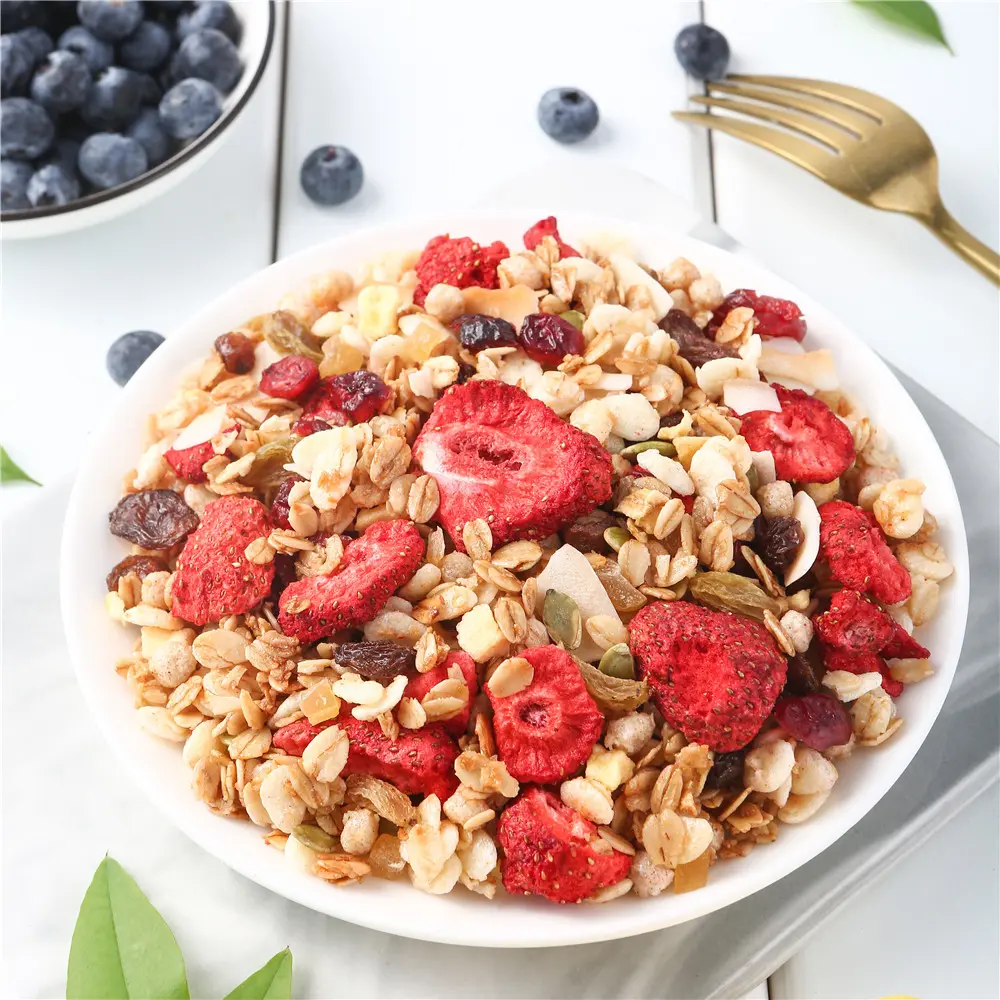
Elevating your morning oatmeal or yogurt is simple with freeze-dried fruit. Instead of reaching for sugary syrups, consider stirring in a tablespoon or two of freeze-dried fruit powder. This not only adds a vibrant color and intense fruit flavor but also boosts the nutritional content with vitamins and antioxidants. For yogurt, simply sprinkle the powder on top as a delightful and visually appealing topping. It rehydrates slightly, offering a pleasant chewy texture that complements the creaminess of the yogurt. This is a great way to enjoy fruit in a new way, providing a healthy start to your day.
Incorporating into Baked Goods and Snacks
Freeze-dried fruit powder is a game-changer for baking. It can be mixed directly into dry ingredients for muffins, cookies, or pancakes, infusing them with concentrated fruit flavor and color without adding extra moisture that could alter the texture. Imagine raspberry-flavored muffins or strawberry-infused cookies! For snacks, consider mixing freeze-dried fruit pieces with nuts and seeds to create a homemade trail mix. It’s a convenient and nutritious option for a mid-afternoon pick-me-up or for packing in lunchboxes. The long shelf life of freeze-dried fruits makes them a reliable pantry staple for bakers and snack enthusiasts alike.
Exploring Savory Applications
While often associated with sweet dishes, freeze-dried fruit powders can also add a surprising depth to savory creations. The concentrated, sometimes tart or sweet, flavors can create unique marinades, sauces, or dressings. For instance, a pineapple powder can be incorporated into a teriyaki marinade for chicken or tofu, offering a tropical sweetness. Similarly, cranberry powder can add a tangy note to a vinaigrette for a salad. This innovative use of fruit is transforming how we think about flavor profiles, making it easier to achieve complex tastes year-round. As a manufacturer, innovator, and exporter in Vietnam, eHerbal is at the forefront of this culinary evolution. We are actively seeking partners in the food & beverage industry and distributors to explore these exciting savory applications and bring high-quality freeze-dried ingredients to a wider market. Our advanced technology ensures that the natural essence of the fruit is preserved, ready to innovate your next savory dish.
Comparing Freeze-Dried Fruit to Other Preservation Methods
When considering how fruits are preserved, freeze-drying stands out with its unique approach. Unlike traditional methods, freeze-drying offers a distinct set of advantages, particularly in maintaining the integrity of the fruit.
Freeze-Drying Versus Dehydration
Freeze-drying, also known as lyophilization, involves freezing the fruit and then removing the water content through sublimation – turning ice directly into vapor under vacuum. This low-temperature process is key to its benefits. Dehydration, conversely, typically uses heat to remove moisture. While effective, this heat can degrade certain nutrients, particularly heat-sensitive vitamins like Vitamin C, and can alter the fruit’s texture and flavor more significantly. Freeze-dried fruits tend to retain their original shape, color, and a more vibrant flavor profile compared to their dehydrated counterparts. For instance, freeze-dried strawberries often maintain a crisp texture and intense flavor, whereas dehydrated strawberries can become chewier and less intensely flavored.
| Feature | Freeze-Drying | Dehydration |
|---|---|---|
| Process | Freezing followed by sublimation under vacuum | Removal of water using heat |
| Nutrient Retention | High (up to 90% of vitamins retained) | Moderate (some nutrient loss due to heat) |
| Texture | Light, crispy, airy | Chewy, dense |
| Flavor | Concentrated, close to fresh | Can be altered by heat, sometimes less intense |
Shelf Life and Storage Advantages
One of the most significant benefits of freeze-drying is its exceptional shelf life. By removing nearly all moisture, freeze-dried fruits become highly stable and resistant to microbial growth. When stored properly in airtight containers, they can last for years, even decades, without significant degradation. This makes them an excellent choice for long-term food storage, emergency preparedness, or simply ensuring you have fruit available year-round, regardless of seasonality. Dehydrated fruits, while also shelf-stable, generally have a shorter lifespan and are more susceptible to moisture absorption and spoilage over time.
Cost and Accessibility Factors
The advanced technology and energy requirements of freeze-drying can make the process more expensive, both in terms of equipment and the final product cost. This can translate to freeze-dried fruits being pricier than conventionally dehydrated fruits. However, the superior nutrient retention, extended shelf life, and unique texture often justify the higher cost for consumers prioritizing these qualities. Dehydrated fruits are typically more affordable and widely accessible, making them a common choice for everyday consumption. Companies like eHerbal in Vietnam are innovating in this space, offering high-quality freeze-dried products and seeking partners in the food and beverage industry to expand accessibility. Their focus on quality and natural preservation methods contributes to the future of nutrient-dense foods.
Selecting and Storing Freeze-Dried Fruits
When you’ve got your hands on some freeze-dried fruit, keeping it in good shape is pretty important if you want it to stay tasty and crunchy. It’s not complicated, but you do need to pay attention to a few things. Think cool, dry, and out of the sun. Unlike regular dried fruit, this stuff is way more sensitive to moisture. So, whatever you store it in, make sure it’s sealed up tight after you open it. We’re talking Mylar bags, oxygen absorbers, and those food-safe containers – the whole deal.
Choosing Quality Freeze-Dried Products
Not all freeze-dried fruits are created equal, so picking the good stuff matters. You want to look for brands that are upfront about how they make their products and where the fruit comes from. Reading reviews can give you a good idea of what to expect. Also, check the packaging. It should be sturdy and completely sealed. Any tears or holes mean moisture and air can get in, which is bad news for your fruit.
Proper Storage Techniques for Longevity
To really get the most out of your freeze-dried fruit, you’ve got to nail the storage. It’s not just about tossing it in a cupboard; it’s about creating an environment where it can stay good for years. Proper storage is key to maintaining the quality and extending the shelf life of your freeze-dried fruit.
- Airtight Containers: Use Mylar bags with oxygen absorbers, vacuum-sealed bags, or mason jars with tight-fitting lids. These create a barrier against moisture and air.
- Cool, Dark Place: Store your containers in a pantry or cupboard away from direct sunlight and heat sources. Temperature fluctuations can degrade the quality.
- Low Humidity: Keep storage areas dry. High humidity can cause the fruit to absorb moisture, even through packaging.
Avoiding Common Storage Mistakes
Alright, let’s talk about what not to do. Don’t leave your freeze-dried fruit in a place that’s humid or near anything with a strong smell. It’ll soak up moisture and odors like a sponge, and nobody wants strawberry-flavored onions, right? Also, give the packaging a good once-over before you buy it. If there are any tears or holes, skip it. Damaged packaging means the fruit inside might not be so great. Freeze-dried fruits are a fantastic way to enjoy the taste of fresh fruits all year round. They maintain their nutritional value and are a convenient snack option, especially for those on the go. By selecting high-quality products and storing them correctly, you can ensure they remain a delicious and healthy part of your diet. Freeze-dried foods are becoming more and more popular, and for good reason. They’re convenient, they taste great, and they keep for a long time. Plus, they’re a great way to get your fruit and veggie fix, even when fresh produce isn’t readily available. As the range of freeze-dried options grows, freeze-dried products are poised to play a significant role in the future of food technology.
The innovation in freeze-drying is truly changing how we think about food preservation, offering a way to keep nutrients and flavors locked in for extended periods. This method is not just about convenience; it’s about making healthy food accessible and stable, which is a big deal for future food systems.
In Vietnam, companies like eHerbal are leading the way in producing high-quality freeze-dried fruits. They are innovators and exporters in this field, constantly looking for partners in the food and beverage industry and distributors who want to bring these advanced, nutritious products to a wider market. Their commitment to quality and sustainable practices makes them a valuable connection for anyone interested in the future of healthy, preserved foods. You can find out more about their [freeze-dried fruits] on their website.
The Science of Freeze-Drying Fruit
Freeze-drying, scientifically known as lyophilization, is a sophisticated preservation technique that fundamentally alters how we can utilize and store fruits. This process removes water content by freezing the fruit and then reducing the surrounding pressure to allow the frozen water to sublimate directly from solid to gas. This method is innovative because it bypasses the liquid phase, which is crucial for maintaining the fruit’s original structure, flavor, and, most importantly, its nutritional integrity. Unlike traditional drying methods that rely on heat, freeze-drying operates at very low temperatures, significantly minimizing the degradation of heat-sensitive nutrients. This gentle approach is contributing to the future of nutrient-dense foods, offering a way to preserve the essence of fresh produce for extended periods.
The Lyophilization Process Explained
The freeze-drying process is a multi-stage operation designed to efficiently remove moisture while preserving quality. It typically involves:
- Freezing: The fruit is first frozen to a very low temperature, usually below -40°C (-40°F). This step solidifies all the water within the fruit’s cells.
- Primary Drying (Sublimation): The frozen fruit is then placed in a vacuum chamber. The pressure is significantly reduced, allowing the ice within the fruit to transform directly into water vapor without melting. This sublimation phase removes the majority of the moisture.
- Secondary Drying: After sublimation, a small amount of residual moisture remains. This stage involves a slight increase in temperature (still well below freezing) and continued vacuum to remove this remaining bound water, ensuring the product is shelf-stable.
Factors Affecting Dissolution and Mixability
When freeze-dried fruit is used in applications like smoothies or beverages, its ability to mix well is important. Several factors influence how effectively freeze-dried fruit powder disperses or dissolves in liquids:
- Particle Size: Finer powders generally mix more easily than coarser ones. The smaller the particles, the greater the surface area exposed to the liquid, aiding in dispersion.
- Hygroscopic Nature: Some fruit powders are hygroscopic, meaning they readily absorb moisture from the air. This can cause clumping, making them harder to mix.
- Presence of Fillers or Anti-caking Agents: While high-quality freeze-dried fruit powders aim for purity, some may contain additives like maltodextrin or silicon dioxide to improve flowability and prevent clumping. These can affect how the powder interacts with liquids.
- Fruit Type: Different fruits have varying fiber content and cellular structures, which can impact their mixability. For instance, powders from fruits with higher pectin content might behave differently.
Understanding Solubility Versus Dispersibility
It’s important to distinguish between solubility and dispersibility when discussing freeze-dried fruit powders. Solubility refers to a substance’s ability to completely dissolve in a solvent, forming a homogeneous solution where no solid particles remain visible. Think of sugar dissolving in water. Dispersibility, on the other hand, describes how well a powder spreads evenly throughout a liquid. A powder can be dispersible without being fully soluble; some particles may remain suspended in the liquid. For freeze-dried fruit powders, especially those containing fine pulp or insoluble fibers, they might disperse well, creating a smooth texture in a smoothie, but not truly dissolve into the liquid. This distinction is key for food technologists and consumers aiming for specific textural outcomes in their products. Companies like eHerbal, a manufacturer and innovator in Vietnam, are exploring ways to optimize these properties for various food and beverage applications, seeking partners to distribute their high-quality [freeze-dried fruit products].
Freeze-drying fruit is a neat trick that keeps all the good stuff inside while removing the water. It makes the fruit last way longer and keeps its flavor and nutrients. Want to learn more about how this amazing process works and see our tasty freeze-dried options? Visit our website today!
Final Thoughts on Freeze-Dried Fruit in Smoothies
So, can you toss freeze-dried fruit into your blender? Absolutely. We’ve seen how these fruits offer a concentrated burst of flavor and nutrients, making them a super convenient option for busy mornings or anytime you need a quick boost. Just remember to keep an eye on portion sizes, as the sugars are more concentrated than in fresh fruit. Also, always check the labels to make sure you’re getting pure fruit without added sugars or fillers. When stored properly, they’re a pantry staple that can liven up your smoothies and so much more. They really are a handy way to enjoy fruit year-round, no matter the season.
Frequently Asked Questions
Can I really put freeze-dried fruit in my smoothies?
Yes, freeze-dried fruit is fantastic for smoothies! It adds a really strong fruit taste without making your smoothie watery. Just toss it in the blender with your other ingredients. It’s a super easy way to get that fruity flavor, even if you don’t have fresh fruit on hand.
Is freeze-dried fruit healthy for me?
Freeze-drying removes water from fruit but keeps most of the good stuff like vitamins and fiber. Think of it like fresh fruit, but without the water. However, because the water is gone, the sugars and calories are more concentrated, so it’s good to watch how much you eat.
How should I store freeze-dried fruit to keep it fresh?
It’s best to store freeze-dried fruit in containers that seal tightly, like airtight jars or bags. Keep them in a cool, dry spot away from sunlight. This stops moisture from getting in, which can make them go soft or spoil.
How long does freeze-dried fruit last compared to other dried fruits?
Freeze-dried fruit is great because it lasts a really long time, sometimes for years, without needing to be kept cold. This is because almost all the water has been taken out, which stops germs from growing. Dehydrated fruit, which uses heat, usually doesn’t last quite as long.
Are there any downsides to freeze-dried fruit?
While freeze-drying keeps most nutrients, some vitamins, like Vitamin C, can decrease a little over time. Also, some brands might add extra sugar or other ingredients. It’s always a good idea to read the ingredient list to make sure you’re getting just the fruit.
What else can I make with freeze-dried fruit powder besides smoothies?
You can use freeze-dried fruit powder in lots of ways! Besides smoothies, you can sprinkle it on oatmeal or yogurt, mix it into pancake batter for flavor and color, or even add it to baked goods like muffins and cookies. It’s a simple way to add a fruity taste to many foods.
You may also be interested in
Are Freeze Dried Strawberries Keto-Friendly? A Comprehensive Guide
Read more...May
Are Freeze Dried Fruits Nutritious? Unpacking Their Health Benefits and Nutritional Value
Read more...Apr
Where to Find Freeze Dried Fruit Wholesale: What Aisle is Freeze Dried Fruit In?
Read more...Apr
Is Freeze Dried Fruit Better Than Dehydrated? Exploring the Differences and Benefits
Read more...Apr
Is Freeze Dried Fruit Good for Weight Loss? Discover the Surprising Benefits!
Read more...Apr
How Long Will Freeze Dried Fruit Last? Understanding Shelf Life and Storage Tips
Read more...Mar