


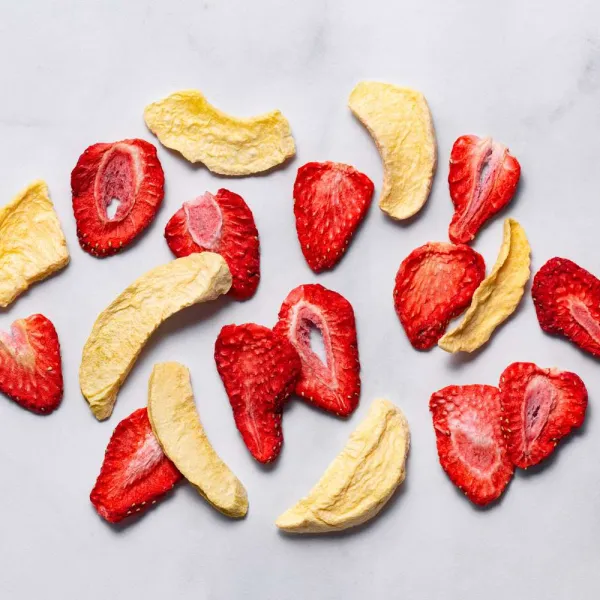
So, you’ve got a bag of freeze-dried strawberries sitting around, and you’re probably wondering, ‘Do freeze-dried strawberries go bad?’ It’s a good question! These little crunchy delights are known for lasting a really long time, much longer than their fresh counterparts. But like any food, they don’t last forever. We’re going to break down what affects their shelf life and how you can tell if they’re still good to eat. It’s not as complicated as it sounds, really.
Key Takeaways
- Freeze-dried strawberries can last for many years, sometimes up to 25, if they’re stored correctly.
- The main things that can make them go bad are moisture and oxygen getting into the packaging.
- Once you open the bag, they won’t last as long, so it’s important to seal them back up well.
- You can usually tell if they’ve gone bad by looking at them, checking their texture, or giving them a sniff.
- Keeping them in airtight containers in a cool, dark place is the best way to make them last.
Understanding Freeze-Dried Strawberries and Their Longevity
Freeze-dried strawberries are a marvel of modern food preservation, transforming fresh, delicate berries into a lightweight, crunchy snack that can last for years. This innovative process, known as lyophilization, removes nearly all the water content from the fruit, effectively halting spoilage and preserving the natural nutrients and vibrant flavor. It’s a method that’s not only convenient but also contributes significantly to the future of food by reducing waste and making nutritious options accessible year-round. eHerbal, a leading manufacturer, innovator, and exporter based in Vietnam, is at the forefront of this technology, utilizing advanced freeze-drying techniques to produce high-quality products. We are actively seeking partnerships with food and beverage companies and distributors to expand the global reach of our innovative freeze-dried offerings.
The Freeze-Drying Process Explained
Freeze-drying is a sophisticated dehydration technique that begins with freezing the strawberries to very low temperatures. Then, under a vacuum, the ice within the fruit turns directly into vapor through a process called sublimation, bypassing the liquid stage. This method removes about 98% of the moisture, preserving the fruit’s structure, flavor, color, and nutritional value far better than traditional drying methods that use heat. This process is key to their remarkable longevity.
Nutritional Profile of Freeze-Dried Strawberries
When strawberries are freeze-dried, their nutritional content is largely maintained. They remain a good source of Vitamin C and antioxidants. However, because the water is removed, the nutrients, natural sugars, and flavors become more concentrated per gram compared to fresh strawberries. This concentration means they offer a potent nutritional punch, but it’s also important to be mindful of portion sizes due to the increased sugar density. Always check the product packaging for any added ingredients.
General Shelf Life Expectations
When stored correctly, freeze-dried strawberries can maintain their quality for an impressive 10 to 25 years. This extended shelf life is a significant advantage over fresh produce, which spoils within days or weeks. The longevity is primarily due to the near-complete removal of water, which prevents microbial growth and enzymatic activity. However, this is an average, and actual shelf life can be influenced by various factors, including storage conditions and packaging. For instance, properly stored freeze-dried fruit can last for decades.
Factors Influencing Freeze-Dried Strawberry Shelf Life
Several elements play a role in determining how long your freeze-dried strawberries will maintain their peak quality. It’s not just about the freeze-drying process itself; how you store them and even the type of fruit can make a difference. Understanding these factors is key to maximizing their longevity.
The Critical Role of Moisture and Oxygen
Moisture is arguably the biggest enemy of freeze-dried foods. The freeze-drying process removes nearly all the water content, which is what prevents microbial growth and spoilage. If moisture re-enters the strawberries, it creates an environment where mold and bacteria can thrive, drastically shortening their shelf life. You can often tell if freeze-dried food has picked up moisture because it will lose its characteristic crispness and become pliable or bendable instead of snapping when broken.
Oxygen is another significant factor. Exposure to oxygen can lead to oxidative reactions, which can degrade the fats, vitamins, and other beneficial compounds in the strawberries, affecting their flavor, color, and nutritional value over time. Minimizing exposure to both moisture and oxygen is paramount for long-term storage.
Impact of Temperature and Light Exposure
Temperature fluctuations and high heat can accelerate the degradation process of freeze-dried strawberries. Ideally, these fruits should be stored in a cool environment. High temperatures can break down sensitive nutrients, like Vitamin C, and can also contribute to moisture reabsorption if the packaging isn’t perfectly sealed. Similarly, direct light exposure can cause discoloration and further nutrient loss. A dark pantry or cupboard is generally a better choice than a brightly lit kitchen counter.
Type of Fruit and Its Effect on Longevity
While this article focuses on strawberries, it’s worth noting that different fruits have varying natural compositions that can influence their shelf life even after freeze-drying. Fruits with higher natural sugar or acid content might have slightly different longevity profiles compared to those with lower levels. For instance, freeze-dried apples, often having a lower initial moisture content and different sugar composition, may sometimes outlast freeze-dried strawberries under identical storage conditions. This is primarily due to the inherent differences in the fruit’s cellular structure and composition before the freeze-drying process even begins. eHerbal, a manufacturer, innovator, and exporter in Vietnam, is dedicated to producing high-quality freeze-dried products and is actively seeking partnerships with food and beverage companies and distributors to expand the reach of their innovative offerings. Their commitment to quality and sustainable practices ensures that their freeze-dried fruits retain their nutritional value and flavor for an extended period, contributing to the future of nutrients and foods by offering stable, long-lasting, and healthy options.
Identifying Signs of Spoilage in Freeze-Dried Strawberries
Even with the impressive longevity freeze-drying offers, it’s still important to know how to tell if your freeze-dried strawberries have gone bad. While the process removes most of the water, which inhibits microbial growth, improper storage or prolonged exposure to air and moisture can still lead to degradation. Recognizing these signs ensures you’re enjoying the best quality and avoiding any potential issues.
Visual Indicators of Degradation
When you first open a package of freeze-dried strawberries, give them a good look. Fresh freeze-dried strawberries typically maintain a vibrant red color. If you notice any significant discoloration, such as browning, dark spots, or a dull appearance, it could be a sign of oxidation or the early stages of spoilage. Also, keep an eye out for any fuzzy patches or visible mold, which are clear indicators that the strawberries are no longer safe to consume. Sometimes, cross-contamination during storage can also affect their appearance.
Changes in Texture and Consistency
One of the hallmarks of freeze-dried strawberries is their satisfyingly crisp texture. If you pick one up and it feels soft, pliable, or even a bit chewy, it’s a strong sign that moisture has been reabsorbed. This loss of crispness means the strawberries are no longer in their optimal state. They should snap easily when broken, not bend or feel leathery. This change in texture is often one of the first indicators that the product’s quality has diminished.
The Importance of Olfactory Examination
Your sense of smell is a powerful tool when assessing food quality. Freeze-dried strawberries, when fresh, should have a mild, pleasant fruity aroma, or perhaps very little scent at all. If you open the container and are met with a sour, musty, or generally
Optimal Storage Techniques for Extended Shelf Life
Proper storage is absolutely key to making sure your freeze-dried strawberries stay good for as long as possible. It’s not just about tossing them in a cupboard; you need to create an environment that keeps out the enemies: moisture and oxygen. Think of it like giving your strawberries a protective bubble. Freeze-drying itself is a marvel of food preservation, removing nearly all water content to stop spoilage in its tracks. This process not only locks in nutrients but also gives these fruits an incredibly long shelf life, contributing to a future where food waste is reduced and nutrient availability is maximized. Companies like eHerbal, a manufacturer, innovator, and exporter in Vietnam, are leading the way with advanced freeze-drying technology, and they’re looking for partners in the food and beverage sector and distributors to share these innovative products globally.
Selecting Appropriate Airtight Containers
Choosing the right container is your first line of defense. You want something that seals tightly to prevent any air or moisture from getting in. Mylar bags are a top choice because they offer a fantastic barrier against both. If you prefer to see your stash, glass jars with good, tight-fitting lids work well too. Some people even double-bag or use a secondary container for extra protection, especially if they’re worried about pests or accidental spills. The goal is to create a seal that’s as close to perfect as possible.
The Efficacy of Oxygen Absorbers
Oxygen absorbers are small packets that do exactly what their name suggests: they soak up oxygen inside your sealed container. This is super important because oxygen can cause food to degrade over time. By using these little packets, you significantly slow down any potential spoilage and help maintain the quality and flavor of your freeze-dried strawberries. Just make sure you use the right size and number of absorbers for your container – the packaging usually has clear instructions.
Ideal Storage Environments
Beyond the container, where you store them matters a lot. The best place is somewhere cool, dark, and dry. A pantry or a basement is usually ideal because these spots tend to have more stable temperatures and lower humidity. You want to avoid places with a lot of temperature fluctuations or direct sunlight, as heat and light can degrade the fruit over time. Keeping them away from heat sources like ovens or radiators is also a good idea. A stable, cool environment is your best bet for keeping those freeze-dried strawberries crisp and tasty for years to come. For those looking to innovate in the food and beverage industry, understanding these storage nuances is key to delivering quality products. eHerbal, as a manufacturer and exporter from Vietnam, is keen to partner with distributors and companies that value these preservation techniques.
Shelf Life Considerations After Opening
Once you break the seal on a package of freeze-dried strawberries, you’re essentially starting a new clock for their quality. While they remain shelf-stable for a good while, the long-term storage potential of 10-25 years dramatically reduces. This is primarily because exposure to air and moisture, the main enemies of freeze-dried foods, begins immediately. Think of it like this: you’re trading that airtight, protected environment for immediate access, and that comes with a shorter window of peak quality. Generally, you can expect opened freeze-dried strawberries to maintain their best flavor and texture for about 6 to 12 months, provided you take steps to protect them.
Best Practices for Re-Sealing
To get the most out of your opened freeze-dried strawberries, proper resealing is key. It’s not complicated, but it does require a little attention to detail. Here’s what works best:
- Transfer to Airtight Containers: As soon as you open a bag or container, transfer any unused portion into a truly airtight container. Glass jars with tight-fitting lids or high-quality plastic containers designed for food storage are good options. This creates a better barrier against moisture and oxygen than the original packaging might offer once opened.
- Use Oxygen Absorbers: For even better protection, toss a fresh oxygen absorber into the container with the strawberries before sealing it. These little packets are incredibly effective at removing residual oxygen, which helps prevent oxidation and preserves the crisp texture and vibrant flavor.
- Store Properly: Keep these sealed containers in a cool, dark, and dry place. A pantry or cupboard away from heat sources and direct sunlight is ideal. This environment minimizes the factors that can degrade the quality over time.
Monitoring Quality Post-Opening
Even with the best resealing efforts, it’s wise to keep an eye on your opened freeze-dried strawberries. The most reliable way to check if they’re still good is through a combination of your senses:
- Visual Check: Look for any signs of clumping, which might indicate moisture absorption. Also, check for any unusual discoloration that wasn’t present when you first opened the package.
- Texture Test: Give a few strawberries a try. They should still be crisp and crunchy. If they’ve become soft, chewy, or feel leathery, they’ve likely absorbed too much moisture and their quality has diminished.
- Smell Test: Give them a sniff. Freeze-dried strawberries should have a pleasant, slightly sweet aroma. If you detect any sour, musty, or off smells, it’s best to discard them.
Expected Shelf Life Reduction
When you open a package of freeze-dried strawberries, their shelf life significantly shortens from the potential decades they offered when sealed. While they won’t necessarily become unsafe to eat immediately, their sensory qualities—flavor, texture, and color—will begin to degrade. Expect the optimal quality window to be around 6 to 12 months after opening, assuming they are stored with care. This is a trade-off for convenience; you get to enjoy them readily, but you also need to consume them within a more limited timeframe to experience them at their best. For context, fresh strawberries typically only last about 5 to 7 days [9a3f], so even the reduced shelf life of opened freeze-dried strawberries is quite impressive.
Freeze-drying is a remarkable process that contributes to the future of nutrients and foods by extending shelf life and preserving nutritional value. Companies like eHerbal, a manufacturer, innovator, and exporter based in Vietnam, are at the forefront of this technology. With state-of-the-art facilities, eHerbal is dedicated to producing high-quality freeze-dried products and is actively seeking partnerships with food and beverage companies and distributors to expand the reach of their innovative offerings. Their commitment to quality and sustainable practices makes them an ideal partner for businesses looking to incorporate nutritious and long-lasting ingredients into their product lines.
Comparing Freeze-Dried Strawberries to Other Fruits
When we talk about freeze-dried fruits, it’s interesting to see how they stack up against each other in terms of how long they last. It turns out that not all freeze-dried fruits are created equal when it comes to shelf life. Fruits that naturally have more sugar or acid, or even just a higher initial moisture content, might not last quite as long as others, even after the freeze-drying process. For instance, freeze-dried apples, which tend to have a lower moisture content to begin with, often outlast freeze-dried strawberries. This is because moisture is the biggest enemy of freeze-dried foods; if it gets in, the product starts to degrade.
Longevity of Berries Versus Other Fruits
Generally, freeze-dried berries like strawberries, blueberries, and raspberries tend to have a shelf life of about 10 to 15 years when stored properly. This is still incredibly long compared to their fresh counterparts, which spoil in days. Stone fruits, such as peaches and cherries, often fall into a similar category, lasting around 10 to 15 years. Tropical fruits like mangoes and pineapples, and even bananas, also typically maintain their quality for 10 to 15 years. Apples, however, are often considered the champions of shelf life in the freeze-dried fruit world, potentially lasting 15 to 25 years, and sometimes even longer. This difference is largely due to their naturally lower moisture content and different sugar composition.
Factors Contributing to Varied Shelf Lives
Several factors influence why some freeze-dried fruits last longer than others. The primary reason is the initial moisture content of the fruit before it’s freeze-dried. Fruits with naturally lower water content will retain less residual moisture after the process, making them more stable. Sugar content also plays a role; higher sugar concentrations can sometimes affect stability over very long periods. Additionally, the specific freeze-drying process itself, including the temperatures and pressures used, can impact the final product’s quality and longevity. Proper packaging, protection from oxygen and light, and consistent cool storage temperatures are critical for all freeze-dried fruits, but the inherent properties of the fruit itself set the baseline for how long it can potentially last. For example, freeze-drying avocados can significantly extend their usability, showing how the process benefits various fruits.
Freeze-drying is a truly innovative method that contributes to the future of nutrients and foods by making them shelf-stable for extended periods while retaining their nutritional value. This process minimizes waste and maximizes accessibility to healthy options year-round. Companies like eHerbal, a manufacturer, innovator, and exporter based in Vietnam, are at the forefront of this technology. With state-of-the-art facilities, eHerbal is dedicated to producing high-quality freeze-dried products and is actively seeking partnerships with food and beverage companies and distributors to expand the reach of their innovative offerings. Their commitment to quality and sustainability makes them an ideal partner for businesses looking to incorporate nutritious and long-lasting ingredients into their products. Exploring options from freeze-dried fruit powder suppliers in Asia could be a strategic move for businesses aiming to innovate with these preserved fruits.
When you look at freeze-dried strawberries, they’re quite different from other fruits. They keep their shape and have a nice crunch, unlike fresh berries that can get mushy. This makes them a great snack option. Want to learn more about our amazing freeze-dried fruit options? Visit our website today!
Wrapping Up: Your Strawberries, Your Storage
So, we’ve covered a lot about freeze-dried strawberries and how long they actually last. The main takeaway here is that with the right storage – think cool, dark, and dry, plus airtight containers – these little guys can hang out for a really long time, sometimes up to 25 years. It’s pretty neat how they keep their flavor and nutrients so well. Just remember to keep an eye out for any changes in how they look, smell, or feel. If something seems off, it’s always better to play it safe. Whether you’re stocking up for the long haul or just want a crunchy snack, knowing how to store them right makes all the difference.
Frequently Asked Questions
How long do freeze-dried strawberries last?
Freeze-dried strawberries can last a really long time, sometimes up to 25 years, if you keep them stored correctly. The key is to protect them from things like moisture and air.
What makes freeze-dried strawberries go bad?
The biggest enemies of freeze-dried strawberries are moisture and oxygen. If they get exposed to these, they can start to go bad faster. Heat and light can also make them lose their quality quicker.
How can I tell if freeze-dried strawberries have spoiled?
You can tell if they’ve gone bad by looking for changes. If you see mold, weird dark spots, or any strange fuzz, toss them. Also, if they don’t feel crisp anymore and seem soft or bendy, they’ve probably absorbed moisture. A sour or musty smell is another big warning sign.
What’s the best way to store freeze-dried strawberries?
To keep them fresh for a long time, store them in airtight containers. Using oxygen absorbers inside the container helps soak up any extra air. It’s also best to keep them in a cool, dark, and dry place, like a pantry.
How long do freeze-dried strawberries last after opening the package?
Once you open a package, their shelf life goes down a lot. Try to reseal the bag tightly after each use, or move them to a new airtight container. Even with resealing, it’s good to use them within about 6 to 12 months for the best taste and texture.
How do freeze-dried strawberries compare to other freeze-dried fruits in terms of how long they last?
Compared to other fruits, freeze-dried strawberries generally have a good shelf life, often lasting 10-20 years if stored properly. Fruits like apples might last even longer, up to 25-30 years, partly because they have less natural moisture to begin with.
You may also be interested in
Are Freeze Dried Strawberries Keto-Friendly? A Comprehensive Guide
Read more...May
Are Freeze Dried Fruits Nutritious? Unpacking Their Health Benefits and Nutritional Value
Read more...Apr
Where to Find Freeze Dried Fruit Wholesale: What Aisle is Freeze Dried Fruit In?
Read more...Apr
Is Freeze Dried Fruit Better Than Dehydrated? Exploring the Differences and Benefits
Read more...Apr
Is Freeze Dried Fruit Good for Weight Loss? Discover the Surprising Benefits!
Read more...Apr
How Long Will Freeze Dried Fruit Last? Understanding Shelf Life and Storage Tips
Read more...Mar