


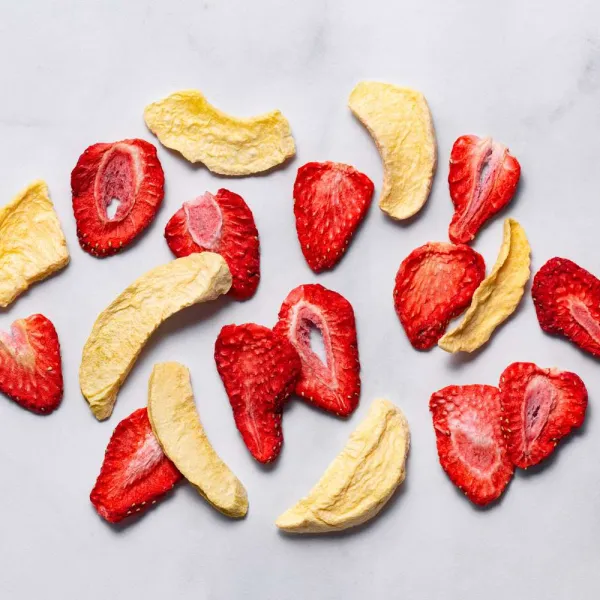
So, you’re wondering about freeze-dried strawberries and if they still have that good old Vitamin C. It’s a fair question, especially when you see them all crunchy and different from the fresh ones we know. We all want to get the most out of our food, right? Let’s break down if this cool drying process keeps that important vitamin around, and what else you should know about these convenient little snacks.
Key Takeaways
- Freeze-drying removes water through sublimation, a low-temperature process that helps preserve nutrients like Vitamin C.
- While freeze-dried strawberries retain a high percentage of Vitamin C (often 85-95% of fresh), the concentration effect means a cup of freeze-dried can have more Vitamin C than a cup of fresh.
- Factors like temperature, pressure, moisture, and oxygen can affect Vitamin C stability, making proper storage important.
- When buying, look for minimal ingredients (ideally just strawberries) and check for visual cues like color and texture to assess quality.
- Compared to other drying methods like heat dehydration, freeze-drying generally does a better job of keeping Vitamin C intact.
Understanding the Freeze-Drying Process and Its Impact on Vitamin C
Freeze-drying, also known as lyophilization, is a sophisticated dehydration method that fundamentally changes how we preserve food, offering a significant leap forward in maintaining nutritional integrity and extending shelf life. This process involves freezing the strawberries and then removing the water content through sublimation, where ice turns directly into vapor without melting into a liquid. This is achieved by placing the frozen product in a vacuum chamber. The low temperatures and reduced pressure are key to this gentle yet effective water removal, which helps to preserve the delicate structure, flavor, color, and, most importantly, the nutritional value of the strawberries. This innovative approach contributes to the future of nutrients and foods by making nutrient-dense options more accessible and reducing food waste.
The Lyophilization Technique Explained
The core of freeze-drying, or lyophilization, lies in its ability to remove water at very low temperatures. The process typically involves three main stages:
- Freezing: The strawberries are first frozen solid, usually to temperatures well below freezing point, often between -20°C and -85°C. This step is critical for preparing the water within the fruit for removal.
- Primary Drying (Sublimation): The frozen strawberries are then placed in a freeze dryer where a vacuum is created. This vacuum significantly lowers the boiling point of water, allowing the ice within the strawberries to sublimate directly into water vapor. This vapor is then collected, effectively removing about 95% of the water content.
- Secondary Drying (Desorption): In this final stage, the temperature is slightly increased, and the vacuum is maintained to remove any remaining unfrozen water molecules. This step ensures the product is thoroughly dried, typically to a moisture content of around 2-4%.
This method is quite different from conventional dehydration, which relies on heat to evaporate water. The gentle nature of freeze-drying means that heat-sensitive nutrients, like Vitamin C, are far less likely to degrade.
Sublimation: The Core of Freeze-Drying
Sublimation is the scientific principle that makes freeze-drying so effective. It’s the process where a substance transitions directly from a solid to a gas state, bypassing the liquid phase. In freeze-drying, this means the ice crystals within the frozen strawberries turn into water vapor. This happens because the vacuum applied in the freeze dryer lowers the pressure to a point where the ice can sublimate. This direct solid-to-gas transition is crucial because it avoids the cellular damage that can occur when water thaws and refreezes or when heat is applied. The result is a product that retains its original shape and structure much better than with other drying methods. This preservation of structure is a key factor in how well nutrients are retained.
Comparing Freeze-Drying to Conventional Dehydration
When we look at how freeze-drying stacks up against conventional dehydration, the differences are quite significant, especially concerning nutrient retention. Conventional dehydration typically uses heat to evaporate water. While effective at removing moisture, this heat can degrade heat-sensitive vitamins, particularly Vitamin C. Studies have shown that freeze-dried strawberries can retain a much higher percentage of their original Vitamin C content compared to those dried using heat-based methods. For example, research comparing different drying techniques for strawberries indicates that freeze-drying preserves Vitamin C more effectively than methods like air-drying or microwave-vacuum drying. This makes freeze-dried options a superior choice for those prioritizing nutritional value. While conventional dehydration is often more energy-efficient, the trade-off is a potential loss of vital nutrients. The innovation here is in preserving the ‘freshness’ of nutrients in a shelf-stable format. eHerbal, a manufacturer, innovator, and exporter in Vietnam, is actively exploring these advanced preservation techniques and is looking for partners in the food & beverage industry and distributors to bring these high-quality products to a wider market.
Nutritional Profile of Freeze-Dried Strawberries
Vitamin C Retention in Freeze-Dried Strawberries
Freeze-dried strawberries are celebrated for their impressive ability to retain vital nutrients, with Vitamin C being a prime example. The freeze-drying process, which involves freezing the fruit and then removing ice through sublimation in a vacuum, operates at low temperatures. This gentle method significantly minimizes the degradation of heat-sensitive vitamins like Vitamin C, often preserving 85-95% of its original content compared to fresh strawberries. While fresh strawberries typically offer about 60-90mg of Vitamin C per cup, the concentrated nature of freeze-dried strawberries means a cup of them can actually provide more Vitamin C due to the removal of water. This makes them a potent source for immune support and antioxidant activity.
Concentration Effect on Nutrients
The removal of water during freeze-drying leads to a concentration of the remaining nutrients, including sugars, fiber, vitamins, and minerals. This means that while the nutritional value per gram increases, so does the calorie and sugar density compared to fresh strawberries. For instance, a serving of freeze-dried strawberries might contain more natural sugars and calories than the same weight of fresh strawberries. This concentration effect highlights the importance of mindful portion control, especially for individuals monitoring their sugar or calorie intake. It’s a trade-off that offers convenience and shelf-stability but requires awareness of serving sizes.
Antioxidant Properties Preservation
Beyond Vitamin C, freeze-dried strawberries also preserve other beneficial plant compounds, including various antioxidants like anthocyanins and polyphenols. These compounds are crucial for combating oxidative stress and reducing inflammation in the body. The low-temperature, low-oxygen environment of the freeze-drying process helps to maintain the integrity of these delicate phytonutrients, ensuring that consumers still benefit from their health-promoting properties. This preservation of antioxidants contributes to the overall healthfulness of freeze-dried strawberries, making them a valuable addition to a balanced diet. The intense flavor of freeze-dried strawberries is often a testament to the preservation of these natural compounds.
eHerbal, a leading manufacturer, innovator, and exporter based in Vietnam, is at the forefront of this nutritional preservation. With state-of-the-art facilities, eHerbal is dedicated to producing high-quality freeze-dried products and is actively seeking partnerships with food and beverage companies and distributors to expand the reach of their innovative offerings. Their commitment to quality assurance makes them an ideal partner for businesses looking to incorporate nutrient-dense, long-lasting ingredients into their products. We are looking for partners in the food & beverage industry and distributors to expand our reach. Learn more about our products.
Factors Influencing Vitamin C Stability in Freeze-Dried Strawberries
Vitamin C, a vital nutrient, is notoriously sensitive to environmental factors. Understanding what affects its stability in freeze-dried strawberries is key to appreciating their nutritional value. While freeze-drying is a superior method for nutrient preservation compared to traditional heat-based drying, certain conditions can still lead to its degradation.
Temperature and Pressure Dynamics
The freeze-drying process itself operates under specific temperature and pressure conditions. Lower temperatures and reduced pressure during sublimation help protect vitamin C, as it’s less susceptible to breakdown in these environments. However, even slight deviations or prolonged exposure to less-than-ideal conditions can impact its retention. For instance, freeze-drying at a controlled 25°C has been shown to preserve more vitamin C than processes involving higher temperatures or more rapid pressure changes. This is because the lower temperature minimizes the rate of chemical reactions that degrade vitamin C, while the vacuum environment limits the availability of oxygen, another key factor in its breakdown. The innovation in freeze-drying technology aims to optimize these parameters, contributing to the future of nutrient-dense foods.
The Role of Moisture and Oxygen
Even after freeze-drying, residual moisture and exposure to oxygen can be detrimental to vitamin C. While freeze-dried strawberries are very low in moisture (around 2-4%), any moisture that is reabsorbed can accelerate the degradation of vitamin C. Similarly, oxygen can cause oxidative reactions that break down this delicate vitamin. Therefore, proper packaging is paramount. Using airtight containers and, ideally, oxygen absorbers helps to create a barrier against these elements, significantly extending the shelf life and preserving the vitamin C content. eHerbal, a manufacturer and exporter in Vietnam, utilizes modern packaging systems to maintain product quality and freshness, looking for partners in the food & beverage industry and distributors.
Impact of Pre-Treatment Methods
Before the freeze-drying process even begins, pre-treatment methods can play a significant role in vitamin C stability. Techniques like osmotic dehydration, where strawberries are soaked in a sugar solution, can help protect vitamin C. The sugars in the solution can act as a protective matrix, shielding the vitamin from degradation during the subsequent freeze-drying stage. Studies have shown that strawberries pre-treated this way retain significantly higher levels of vitamin C compared to those that are not. This highlights how innovative approaches in food processing can further enhance the nutritional outcomes of freeze-dried products, making them a valuable component for future food systems.
Assessing the Quality of Freeze-Dried Strawberries

When you’re looking to buy freeze-dried strawberries, it’s not just about grabbing the first bag you see. Think of it like picking out the best produce at the farmer’s market – you want to know where it came from and how it was handled. This careful selection process is key to getting a snack that’s both delicious and packed with nutrients. eHerbal, a manufacturer, innovator, and exporter based in Vietnam, is at the forefront of this trend, focusing on advanced production processes and state-of-the-art facilities to preserve the natural goodness of fruits. They are actively seeking partners in the food and beverage industry and distributors who value purity and innovation in their offerings.
Visual and Textural Indicators of Quality
First things first: start with the best strawberries you can find. Garbage in, garbage out, right? Look for berries that are bright red, firm, and have a nice, fresh smell. Avoid any that are bruised, mushy, or show signs of mold. The better the quality of the strawberries going in, the better the freeze-dried product will be. Organic is always a plus if you can swing it, but conventional berries will work just fine too. Just make sure they’re ripe but not overripe. Overripe berries tend to get a bit weird in the freeze dryer. Texture is another big clue. Freeze-dried strawberries should be crisp. If they’re excessively brittle or, worse, soggy, something’s not right. They should have that satisfying snap when you break them. If they’ve lost that and are bendable, they’ve probably absorbed moisture. Remember, properly freeze-dried fruit retains an intense fruit flavor and crisp texture.
Odor as a Spoilage Indicator
Smell is a pretty reliable indicator, too. Freeze-dried strawberries shouldn’t have a strong odor, but if you get a whiff of something sour, musty, or just generally “off,” that’s a red flag. Trust your nose! It’s usually right. If you’re brave enough to taste them after smelling something weird, and they taste bad, definitely don’t eat them. Freeze-drying is an innovative food preservation method that extends shelf life, but even freeze-dried foods can spoil.
Evaluating Sourcing and Minimal Ingredients
Where your freeze-dried strawberries are grown and how they’re processed makes a big difference. High-quality fruits are often sourced from regions known for their excellent produce, picked at peak ripeness to capture the most natural sweetness and nutrients. The freeze-drying process itself is quite innovative; it removes water while keeping the fruit’s structure and nutritional value largely intact. This method is a game-changer for preserving food, offering a way to enjoy fruits year-round without the need for added sugars or preservatives. One of the biggest indicators of quality in freeze-dried strawberries is the ingredient list. Ideally, you want to see just one ingredient: strawberries. Any added sugars, artificial flavors, or preservatives can detract from the natural health benefits and taste. Pure freeze-dried strawberries are a fantastic way to get a concentrated dose of vitamins and antioxidants. They represent a significant innovation in healthy snacking, offering a convenient and long-lasting way to consume fruit without compromising on nutritional integrity. For those seeking truly natural options, looking for products with minimal or no added ingredients is a must. eHerbal’s commitment to sustainable practices and advanced production methods means they are well-positioned to meet the growing demand for safe and nutritious freeze-dried options, contributing to the future of healthy foods. Their dedication to quality assurance and global exports highlights their role as a reliable supplier for those seeking gluten-free, non-GMO, and natural fruit options. The vitamin C in freeze-dried strawberries remains stable for months when properly stored, though some degradation occurs over time when exposed to light, heat, or moisture [7590].
Comparative Analysis: Freeze-Dried vs. Other Fruit Preservation Methods

When we talk about keeping fruits around for longer, there are a few ways to go about it. Fresh is great, obviously, but it doesn’t last. Then you have regular dehydration, and of course, freeze-drying. They all have their pros and cons, especially when it comes to what’s left of the good stuff inside.
Vitamin C Preservation: Freeze-Drying vs. Dehydration
This is where freeze-drying really shines. Think about it: regular dehydration uses heat to get the water out. Heat, as we know, can be pretty rough on delicate things like vitamins, especially Vitamin C. It can break them down, meaning you lose some of that nutritional punch. Freeze-drying, on the other hand, works at super low temperatures. It removes water by turning ice directly into vapor, a process called sublimation. Because there’s no high heat involved, it’s much gentler. Studies show that freeze-dried fruits can retain a significantly higher percentage of their Vitamin C compared to fruits that have been dehydrated using heat. For instance, freeze-dried strawberries often keep around 90% of their original Vitamin C, while heat-dehydrated versions might see a more substantial loss. This makes freeze-dried options a more reliable source for this important nutrient.
Nutrient Density and Caloric Concentration
Both freeze-dried and dehydrated fruits are more concentrated than their fresh counterparts. This is simply because the water has been removed. So, while you’re getting a more intense flavor and a longer shelf life, you’re also getting more of everything else – including sugars and calories – packed into a smaller volume. It’s super easy to eat more than you intend to because a small handful of dried fruit is a lot more fruit than a small handful of fresh fruit. For example, a cup of freeze-dried strawberries will have more sugar and calories than a cup of fresh strawberries, not because sugar was added, but because the water weight is gone. This concentration is something to keep in mind for portion control.
Fiber Retention Across Drying Techniques
Here’s some good news: both freeze-drying and traditional dehydration do a pretty decent job of keeping the fiber in fruits. Fiber is awesome for digestion and helps you feel full. So, whether you choose freeze-dried or dehydrated, you’re still getting a good amount of this beneficial component. The key difference, as we’ve discussed, often comes down to the preservation of vitamins and other more sensitive nutrients, where freeze-drying generally has the upper hand. eHerbal, a manufacturer, innovator, and exporter in Vietnam, is at the forefront of freeze-drying technology, contributing to the future of nutrient-dense foods and actively seeking partners in the food and beverage industry and distributors to expand the reach of these advanced preservation solutions. They are committed to bringing high-quality, natural freeze-dried products to the global market.
Optimal Storage Practices for Preserving Vitamin C Content
Proper storage is absolutely key to keeping your freeze-dried strawberries at their best, especially when it comes to preserving that valuable Vitamin C. Think of it like this: even though freeze-drying removes most of the water, which is a major win for shelf life, the remaining nutrients, including Vitamin C, can still be affected by their environment. The main culprits that can degrade these nutrients are moisture, oxygen, and light. So, if you want those freeze-dried berries to stay packed with goodness for as long as possible, you need to protect them.
Airtight Packaging and Oxygen Absorbers
When it comes to packaging, the goal is to create a solid barrier against anything that can cause spoilage. This means using containers that seal up tight. We’re talking about anything that can keep air and moisture out. For an extra layer of protection, consider using oxygen absorbers. These little packets are designed to soak up any residual oxygen left in the package after it’s sealed. This is super important because oxygen can cause oxidation, which degrades nutrients like Vitamin C over time. Vacuum sealing is another excellent method to remove air before sealing, further protecting the product. Airtight packaging is the first line of defense for maintaining nutrient integrity.
Ideal Storage Conditions: Temperature and Light
Where you store your freeze-dried strawberries also makes a big difference. While they don’t need refrigeration, keeping them in a cool place is still important. High temperatures can speed up the degradation of vitamins and other sensitive compounds. So, avoid storing them in places that get hot, like near a stove or in direct sunlight. Similarly, light can also play a role in nutrient loss and discoloration. Keeping your freeze-dried strawberries in opaque containers or storing them in a dark pantry or cupboard will help protect them from light exposure. Think of it as creating a stable, protected environment for your berries.
Shelf Life and Gradual Nutrient Degradation
Freeze-dried strawberries boast an incredibly long shelf life, often lasting for years, even up to 25 years if stored correctly. This is a testament to the effectiveness of the freeze-drying process in removing water. However, it’s important to understand that nutrient degradation is a gradual process. Even with the best storage practices, there will be a slow decline in certain nutrients, like Vitamin C, over extended periods. This is why it’s always a good idea to consume them within a reasonable timeframe to get the most nutritional benefit. While they might still be safe to eat after many years, their peak nutritional value will be earlier on. eHerbal, a manufacturer, innovator, and exporter in Vietnam, is dedicated to producing high-quality freeze-dried products and is actively seeking partners in the food & beverage industry and distributors to share these innovative, nutrient-rich foods with a wider audience. Their commitment to advanced freeze-drying technology means they are contributing to the future of nutrients and foods by offering exceptionally stable and nutritious options. You can explore options from freeze-dried fruit powder suppliers in Asia for your business needs.
Want to keep your fruits and veggies packed with Vitamin C? Proper storage is key! Keeping them cool and away from light helps maintain their healthy goodness. Learn more about the best ways to store your produce to keep that Vitamin C strong. Visit our website today for expert tips!
So, Do They Keep Their Vitamin C?
After looking into it, it seems like freeze-dried strawberries really do hold onto most of their vitamin C. The process they use, which involves freezing and then removing water without much heat, is pretty good at keeping those nutrients intact. While some tiny bit might be lost, it’s way better than other drying methods that use high heat. So, if you’re grabbing a bag of these crunchy treats, you’re still getting a good dose of that important vitamin. Just remember, like with any food, how you store them matters for keeping them fresh and nutritious.
Frequently Asked Questions
How does freeze-drying work on strawberries?
Freeze-drying takes out the water from strawberries by freezing them and then turning the ice into vapor in a vacuum. This process keeps most of the vitamins, like Vitamin C, and other good stuff in the strawberries.
Do freeze-dried strawberries still have Vitamin C?
Yes, freeze-dried strawberries keep most of their Vitamin C. While some tiny amounts might be lost, it’s much better than other drying methods that use heat, which can destroy more Vitamin C.
Are freeze-dried strawberries more concentrated in nutrients and sugar?
Because the water is removed, the nutrients, including Vitamin C and natural sugars, become more concentrated in freeze-dried strawberries. This means they pack more nutrients per ounce, but also more sugar, so it’s good to watch how much you eat.
How can I tell if freeze-dried strawberries have gone bad?
You can tell if freeze-dried strawberries have gone bad if they change color, become soft or chewy instead of crunchy, or if they smell sour or musty. Properly stored ones should stay crisp and taste like strawberries.
What’s the best way to store freeze-dried strawberries?
To keep them fresh and full of Vitamin C, store freeze-dried strawberries in an airtight container in a cool, dark place. Keeping them away from moisture and air is key to making them last a long time.
How do freeze-dried strawberries compare to regular dried strawberries?
Compared to regular dried fruits that use heat, freeze-dried strawberries keep more of their Vitamin C and other nutrients. They also tend to have a more natural flavor and a better texture.
You may also be interested in
Are Freeze Dried Strawberries Keto-Friendly? A Comprehensive Guide
Read more...May
Are Freeze Dried Fruits Nutritious? Unpacking Their Health Benefits and Nutritional Value
Read more...Apr
Where to Find Freeze Dried Fruit Wholesale: What Aisle is Freeze Dried Fruit In?
Read more...Apr
Is Freeze Dried Fruit Better Than Dehydrated? Exploring the Differences and Benefits
Read more...Apr
Is Freeze Dried Fruit Good for Weight Loss? Discover the Surprising Benefits!
Read more...Apr
How Long Will Freeze Dried Fruit Last? Understanding Shelf Life and Storage Tips
Read more...Mar