


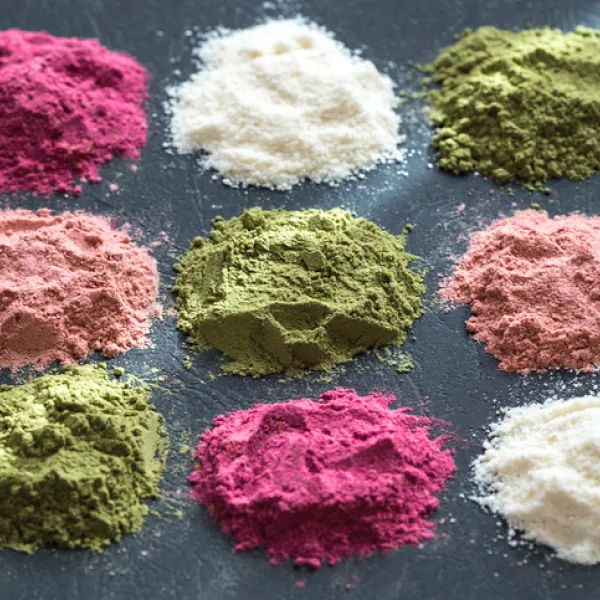
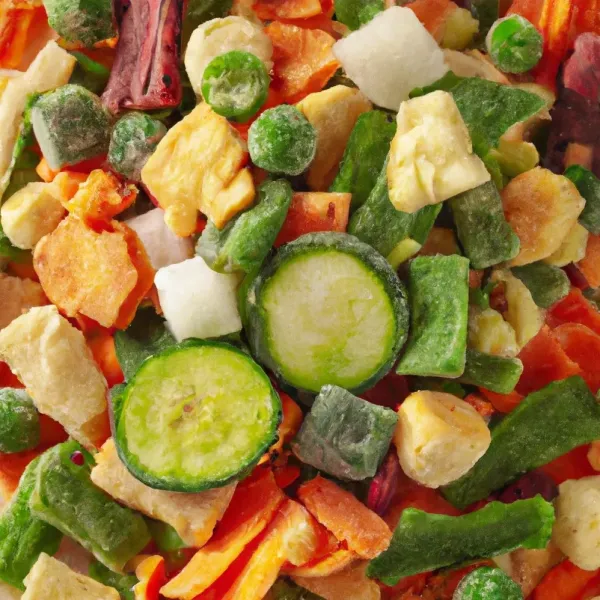
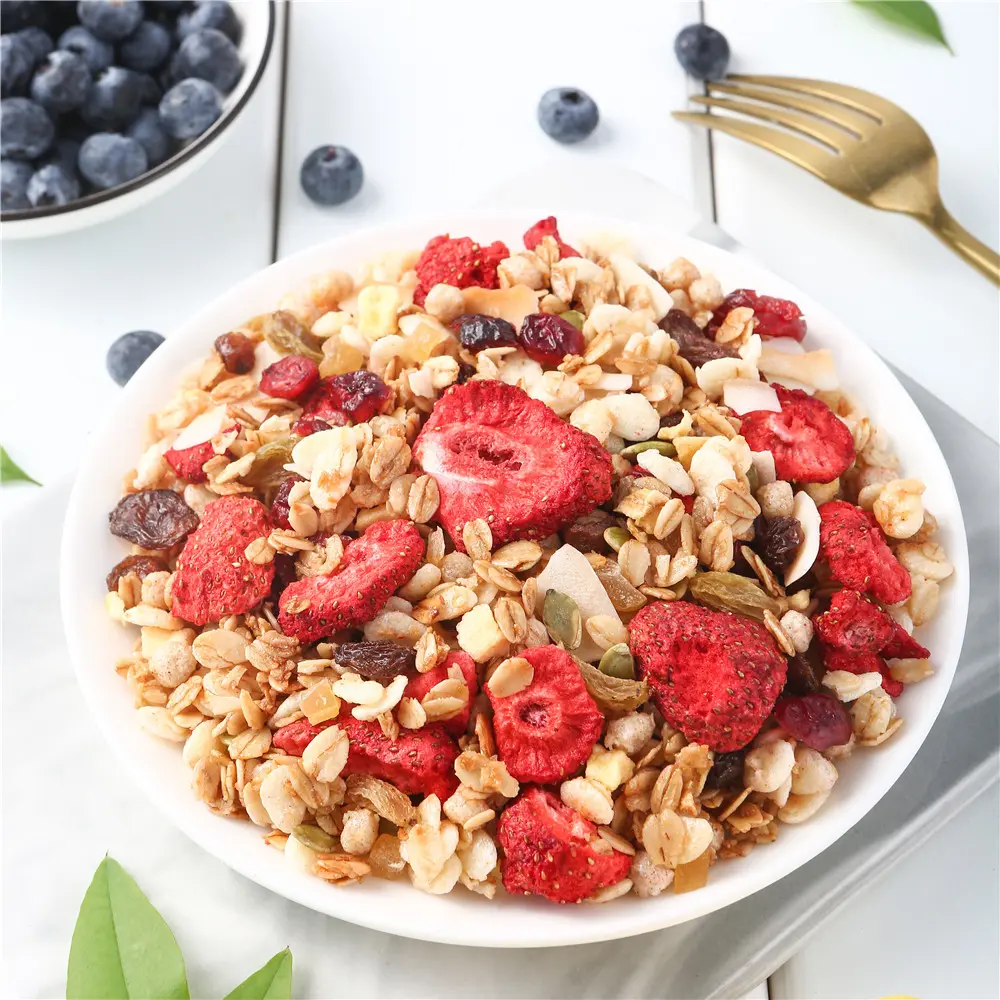
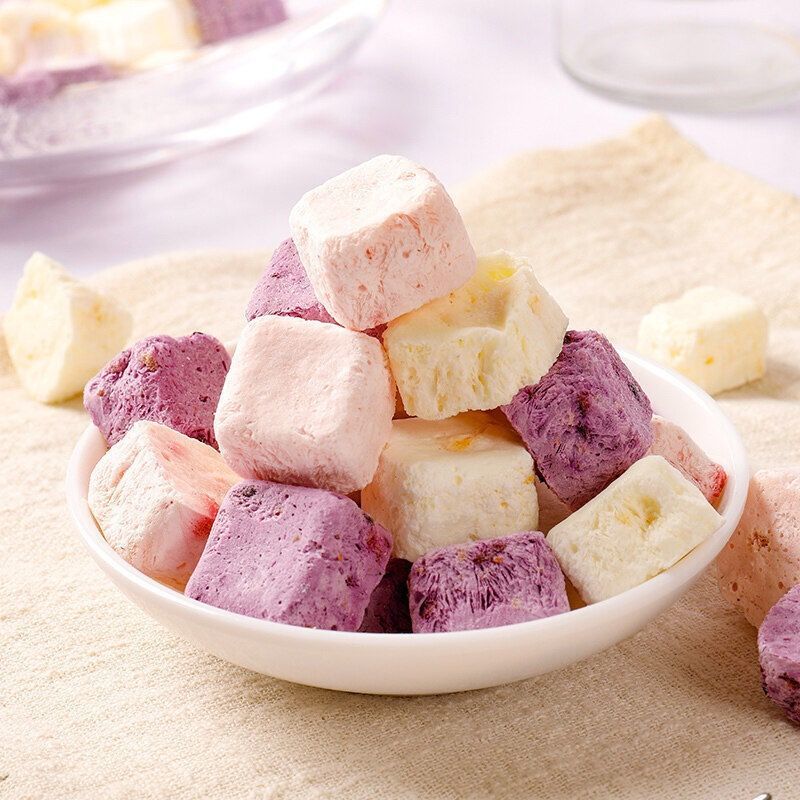
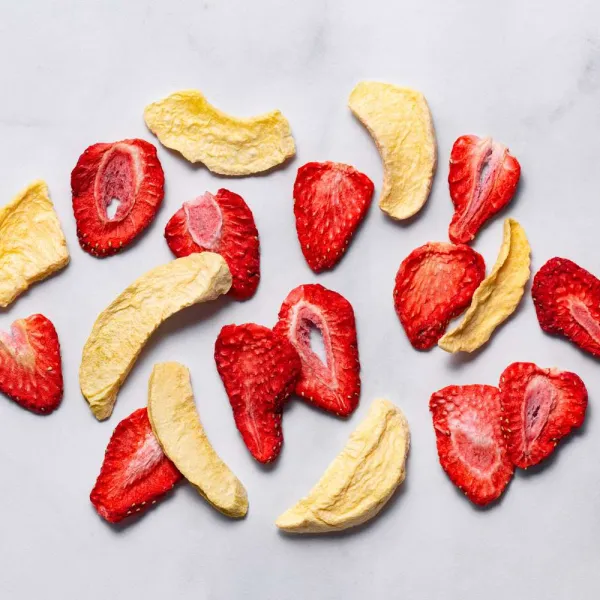

So, you’ve got a bag of freeze-dried fruit sitting around and you’re wondering if you can bring it back to life, so to speak. It’s a pretty common question, especially if you’re used to dried fruits that you might soak before using. The good news is, yes, you absolutely can rehydrate freeze-dried fruit, and it’s not too complicated either. Whether you want to use it in recipes or just enjoy it with a softer texture, there are a few easy ways to do it. Let’s get into how you can make that crunchy fruit a bit more, well, fruity again.
Key Takeaways
- Yes, you can definitely rehydrate freeze-dried fruit by adding water, though the texture won’t be exactly like fresh fruit.
- Different methods like soaking, a hot water pour-over, or gentle spraying can be used depending on the fruit and desired outcome.
- Rehydrated freeze-dried fruits are great for adding to recipes, breakfast bowls, or smoothies.
- Be mindful of water temperature and soaking time to avoid over-hydrating and ruining the texture.
- Freeze-dried fruits maintain most of their nutrients, making them a healthy option whether rehydrated or eaten dry.
Understanding Freeze-Dried Fruit Rehydration
Freeze-drying, a process that removes water content through sublimation, has revolutionized food preservation. This method is particularly innovative in how it maintains the nutritional integrity of fruits, contributing significantly to the future of nutrient-dense foods. Unlike traditional drying methods that rely on heat, freeze-drying operates at low temperatures, which helps to preserve a remarkable amount of vitamins, minerals, and antioxidants. This makes freeze-dried fruits an excellent option for those seeking convenient, shelf-stable nutrition.
The Process of Freeze-Drying Explained
Freeze-drying, also known as lyophilization, involves three main stages: freezing, primary drying (sublimation), and secondary drying (desorption). First, the fruit is frozen solid. Then, it’s placed in a vacuum chamber where the frozen water turns directly into vapor, bypassing the liquid state. This sublimation process removes nearly all moisture, resulting in a lightweight, crunchy product that retains its original structure and nutrients. This innovative technique is key to the longevity and quality of freeze-dried items.
Can Freeze-Dried Fruit Be Rehydrated?
Yes, freeze-dried fruit can absolutely be rehydrated. While it’s often enjoyed as a crunchy snack, adding water can restore its texture and moisture, making it suitable for various culinary applications. The rehydration process essentially reverses the freeze-drying by reintroducing water molecules into the fruit’s cellular structure. This makes it a versatile ingredient that can be used in recipes just like fresh fruit, though the texture might not be identical to its fresh state. For those looking for a convenient way to add fruit to their meals, rehydrating is a straightforward option.
Nutritional Value Retention During Rehydration
One of the most significant advantages of freeze-dried fruit is its exceptional nutrient retention. The freeze-drying process itself preserves up to 97% of the fruit’s original vitamins, minerals, and antioxidants. When rehydrated, these nutrients remain largely intact. This means that by adding water, you can effectively bring back a nutrient-rich fruit that is almost as beneficial as its fresh counterpart. This makes freeze-dried options a valuable component for maintaining a healthy diet, especially when fresh produce is not readily available. Companies like eHerbal, a manufacturer, innovator, and exporter in Vietnam, are at the forefront of this, offering high-quality freeze-dried products and seeking partners in the food & beverage industry and distributors to expand their reach.
Methods for Rehydrating Freeze-Dried Fruits
Rehydrating freeze-dried fruits is a straightforward process that can bring back much of their original texture and flavor. There are several effective methods, each suited to different needs and preferences. Understanding these techniques will help you make the most of your freeze-dried fruit.
The Soaking Method for Optimal Texture
This is perhaps the most common and reliable way to rehydrate freeze-dried fruits, especially if you’re aiming for a texture closest to fresh. It involves submerging the fruit in water to allow it to gradually absorb moisture.
- Preparation: Place your desired amount of freeze-dried fruit into a clean bowl or container.
- Water Temperature: For most fruits, using cool or room-temperature water is ideal. Warm water can also be used, but be mindful that very hot water might alter the texture more significantly.
- Soaking Time: This can vary depending on the type of fruit and how dry it is. Generally, 30 minutes to a couple of hours should suffice. You can check the texture periodically; once it feels tender and plump, it’s ready.
- Drain: After soaking, drain any excess water.
This method is excellent for achieving a softer, more yielding texture, making the fruit suitable for baking or eating as is.
Utilizing the Hot Water Pour-Over Technique
This method is quicker than soaking and can be useful when you need to rehydrate fruit more rapidly. It’s particularly effective for fruits that don’t require a super soft texture or when you’re adding them to a hot dish.
- Preparation: Place the freeze-dried fruit in a heat-safe bowl.
- Water Application: Carefully pour hot (not necessarily boiling) water over the fruit, ensuring it’s fully submerged.
- Steeping: Cover the bowl and let it sit for about 5 to 10 minutes. Stirring occasionally can help with even rehydration.
- Drain: Drain any remaining hot water.
This technique is great for adding rehydrated fruit to cereals, oatmeal, or even as a quick topping. It’s a faster way to get that plumped-up fruit experience. You can find more details on rehydrating food with hot water on various food preservation sites.
The Gentle Spraying Method for Delicate Items
For very delicate fruits, like raspberries or small berries, a gentler approach is often best to avoid them breaking apart. This method involves lightly misting the fruit with water.
- Preparation: Spread the freeze-dried fruit in a single layer on a clean plate or shallow dish.
- Water Application: Using a food-grade spray bottle filled with cool water, lightly mist the fruit. Aim for even coverage without saturating it.
- Resting: Allow the fruit to sit for a few minutes, letting the moisture absorb. You may need to repeat the misting process a couple of times, waiting a few minutes in between, until the desired texture is achieved.
This method is perfect for maintaining the integrity of fragile fruits and is often used when the fruit will be incorporated into a dish where it won’t be heavily mixed or stirred. It’s a subtle way to bring back some moisture without overwhelming the delicate structure. You can learn more about this technique on food rehydration guides.
Incorporating Rehydrated Freeze-Dried Fruits
Freeze-dried fruits are incredibly versatile, offering a convenient way to add flavor, texture, and nutrients to a wide array of dishes. Their unique preservation method means they retain much of their original goodness, making them a valuable ingredient for both everyday meals and more adventurous culinary creations. As the food industry continues to innovate, freeze-dried fruits are playing a significant role in developing nutrient-dense, shelf-stable food options for the future. Companies like eHerbal, a manufacturer, innovator, and exporter based in Vietnam, are leading the charge in producing high-quality freeze-dried products. They are actively seeking partnerships with food and beverage companies and distributors to expand their reach, highlighting the growing importance of these innovative ingredients.
Culinary Applications in Recipes
Freeze-dried fruits can transform ordinary recipes into something special. Their concentrated flavor and vibrant colors add a delightful dimension to both sweet and savory dishes. Whether you’re looking to create a quick snack or a gourmet meal, these fruits offer a convenient solution.
- Baking: Incorporate freeze-dried berries into muffins, cookies, or cakes for an intense fruit flavor and a pleasing texture. They can also be crushed and used as a natural food coloring.
- Savory Dishes: Surprisingly, freeze-dried fruits can also complement savory meals. Consider adding freeze-dried apples or cranberries to a stuffing or a pork dish for a touch of sweetness and tartness.
- Trail Mixes: Combine freeze-dried fruit pieces with nuts, seeds, and perhaps some dark chocolate for a portable and energy-boosting snack. This is a great alternative to store-bought mixes, allowing you to control the ingredients.
The ability to rehydrate freeze-dried fruits means they can be used in recipes where a softer texture is desired, mimicking fresh fruit more closely. However, they are also perfectly delicious when used in their crunchy state, offering a different textural experience.
Enhancing Breakfast Meals and Snacks
Starting your day with freeze-dried fruits is a fantastic way to boost your nutrient intake. They add flavor and texture to common breakfast items, making them more appealing and satisfying. For snacks, they offer a healthier alternative to processed options.
- Cereal and Oatmeal: Sprinkle a handful of freeze-dried berries or apple pieces onto your morning cereal or oatmeal. They will soften slightly from the milk or yogurt, providing a pleasant chewiness.
- Yogurt Parfaits: Layer freeze-dried fruit with yogurt and granola for a visually appealing and nutritious parfait. The contrast in textures between the creamy yogurt, crunchy granola, and chewy fruit is delightful.
- Snack Packs: Create convenient snack packs by portioning out freeze-dried fruits. They are lightweight and don’t require refrigeration, making them ideal for packing in lunchboxes or taking on the go. You can find great ideas for these delicious snack recipes.
Utilizing in Smoothies and Beverages
Freeze-dried fruits are a smoothie lover’s dream. They blend easily, providing intense flavor and color without adding extra ice, which can dilute the taste. They can also be used to create unique flavored beverages.
- Smoothies: Add freeze-dried strawberries, mangoes, or blueberries to your blender along with your favorite liquids and other ingredients. The result is a thick, flavorful smoothie with a vibrant hue.
- Infused Water: While less common, some freeze-dried fruits, like lemon or lime slices, can be added to water for a subtle flavor infusion. However, for best results, rehydrating them first might be necessary for a more pronounced taste.
- Juice Enhancements: For a concentrated fruit boost, consider blending freeze-dried fruit into a small amount of water to create a paste, then stirring it into juices or other beverages for added flavor and nutrients.
Factors Influencing Rehydration Success
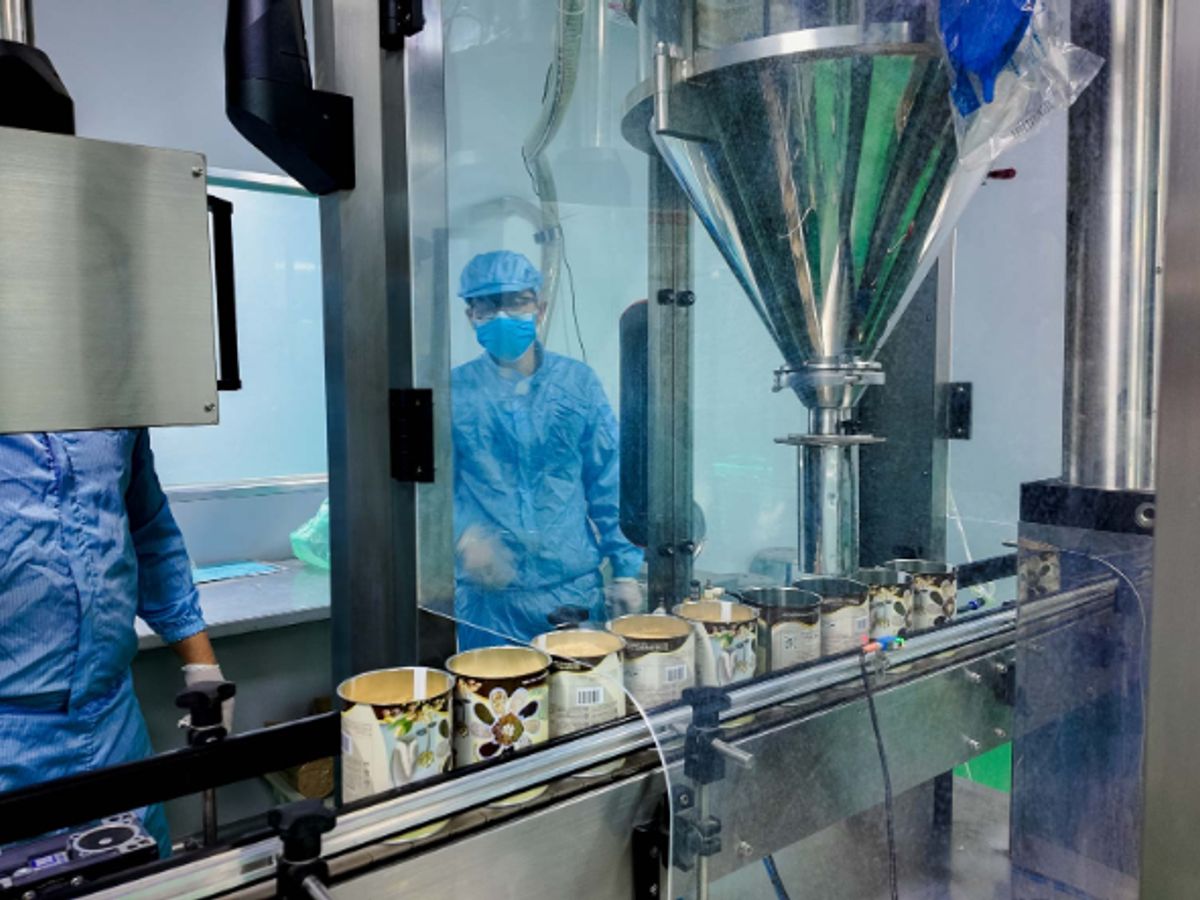
Rehydrating freeze-dried fruits might seem straightforward, but a few key elements can really make or break the final texture and taste. It’s not just about dunking them in water; understanding these factors helps you get the best results every time.
Importance of Water Temperature
The temperature of the water you use plays a significant role. Hotter water will rehydrate the fruit faster, but it also increases the risk of the fruit becoming mushy or losing some of its delicate flavor. Cooler water takes longer but generally yields a better texture, closer to the original fruit. For most fruits, lukewarm water strikes a good balance, allowing for steady rehydration without damaging the structure.
Optimal Soaking Times
Each type of freeze-dried fruit has its own ideal soaking time. Smaller, more porous fruits like berries might rehydrate in as little as 15-30 minutes, while denser fruits like apples or peaches could take an hour or more. It’s always best to check the fruit periodically. You want it to be tender but not falling apart. Over-soaking can lead to a loss of texture and can even make the fruit taste watery.
Avoiding Over-Hydration and Texture Degradation
This is perhaps the most common pitfall. Adding too much water at once, or soaking for too long, can turn your perfectly preserved fruit into a soggy mess. Freeze-dried foods absorb water rapidly. It’s often better to start with less water than you think you’ll need and add more gradually if the fruit is still too dry. You can always add more water, but you can’t easily take it away once the fruit has absorbed too much. This careful approach helps maintain the integrity and desirable texture of the fruit, making it a truly innovative way to enjoy nutrients.
Freeze-drying is a process that truly innovates the future of nutrients and foods. By removing water at low temperatures, it preserves the vast majority of vitamins, minerals, and antioxidants, offering a highly concentrated and shelf-stable nutritional profile. Companies like eHerbal, a manufacturer, innovator, and exporter in Vietnam, are at the forefront of this technology. They are actively seeking partners in the food & beverage industry and distributors to expand the reach of their high-quality freeze-dried products. Their commitment to preserving the natural goodness of fruits aligns with the growing global demand for healthy and convenient food options. Exploring partnerships with such innovators can lead to exciting new product developments and market opportunities.
Comparing Freeze-Dried to Other Dried Fruits
When we talk about preserving fruits, two methods often come up: freeze-drying and traditional dehydration. While both aim to remove water, they do so in very different ways, leading to distinct outcomes in terms of nutrition, texture, and shelf life. Understanding these differences helps us appreciate the unique advantages of freeze-dried options.
Freeze-Drying vs. Dehydration: A Nutritional Overview
Freeze-drying, also known as lyophilization, is a process that involves freezing the fruit and then removing the water content through sublimation, where ice turns directly into vapor. This low-temperature method is remarkably effective at retaining the fruit’s original nutrients. Studies suggest that freeze-dried fruits can preserve up to 97% of their vitamins, minerals, and antioxidants. This makes them a powerhouse for nutrient intake, offering a concentrated dose of goodness.
Dehydration, on the other hand, typically uses heat to remove moisture. While it also preserves fruits, the application of heat can lead to a greater loss of heat-sensitive vitamins, such as Vitamin C. Consequently, freeze-dried fruits generally offer a more complete nutritional profile compared to their heat-dehydrated counterparts. However, it’s important to note that both methods concentrate the fruit’s natural sugars and calories because the water is removed.
| Nutrient | Fresh Fruit | Freeze-Dried Fruit | Dehydrated Fruit |
|---|---|---|---|
| Vitamin C | High | High | Moderate |
| Antioxidants | Present | Present | Present |
| Fiber | Present | Present | Present |
| Water Content | High | Very Low | Low |
| Calorie Concentration | Standard | High | High |
Texture and Flavor Differences
The textural experience between freeze-dried and dehydrated fruits is quite distinct. Dehydrated fruits often have a chewy, sometimes leathery texture. This is due to the heat process, which can alter the fruit’s cellular structure. Freeze-dried fruits, however, are known for their light, airy, and crispy texture. They retain a porous structure that almost melts in your mouth. Flavor-wise, both methods concentrate the fruit’s natural sugars. Dehydrated fruits can have a more intense, caramelized sweetness. Freeze-dried fruits tend to retain a brighter, more vibrant flavor that closely resembles the fresh fruit, sometimes even amplifying its natural essence. This makes them a fantastic ingredient for [culinary applications].
Shelf-Life Considerations
One of the most significant advantages of freeze-dried fruit is its exceptional shelf life. Because nearly all moisture is removed, freeze-dried fruits can last for many years, even decades, when stored properly, without needing refrigeration. This makes them ideal for long-term storage, emergency preparedness, and even for use in space missions. Dehydrated fruits also have an extended shelf life compared to fresh fruit, but it’s generally shorter than freeze-dried options, often lasting a few years. Proper packaging, such as airtight containers and oxygen absorbers, is crucial for maximizing the longevity of both types of dried fruit, but it is especially critical for maintaining the crispness of freeze-dried products.
In the realm of food innovation, companies like eHerbal, a manufacturer, innovator, and exporter based in Vietnam, are at the forefront. They are actively seeking partners in the food and beverage industry and distributors to expand the global reach of their high-quality, natural freeze-dried fruits. Their commitment to sustainable practices and preserving the purity of ingredients highlights how freeze-drying is shaping the future of nutrient-dense foods and convenient, healthy options for consumers worldwide.
Proper Storage of Freeze-Dried Fruits

Once you’ve got your hands on some delicious freeze-dried fruit, keeping it in top condition is key to enjoying it for as long as possible. Think of it like this: the freeze-drying process removes almost all the water, which is what makes it last so long. But if moisture gets back in, that’s when things start to go downhill. So, protecting it from air and humidity is your main mission.
Maintaining Quality After Opening
As soon as you break the seal on a package of freeze-dried fruit, its super-long shelf life takes a hit. Exposure to air and moisture is the biggest culprit here. While a sealed package might last for years, once opened, you’re looking at a shorter window. Generally, you can expect the fruit to stay good for about 6 to 12 months after opening, but this really depends on how well you reseal and protect it. It’s not like it instantly goes bad, but the crispness and flavor will start to fade if it’s not stored properly.
Airtight Containers and Oxygen Absorbers
To really keep that quality locked in, you need to get serious about your storage containers. Regular plastic bags just won’t cut it because they let air and moisture sneak through. Your best bet is to transfer the freeze-dried fruit into truly airtight containers. Think Mylar bags, which are excellent for long-term storage because they block light and moisture. If you’re using something like mason jars, make sure the lids seal tightly. Even better, toss in an oxygen absorber packet. These little guys soak up any remaining oxygen inside the container, which helps prevent oxidation and keeps your fruit tasting fresh and crisp for longer. It’s a small step that makes a big difference.
Ideal Storage Conditions for Longevity
Where you store your freeze-dried fruit matters just as much as the container. The absolute best place is somewhere cool, dark, and dry. A pantry or a cupboard away from heat sources and direct sunlight is perfect. High temperatures and humidity are the enemies of freeze-dried foods because they can cause moisture to seep in and degrade the product. Keeping it at a stable room temperature, ideally below 70°F (21°C), and in a low-humidity environment will help your freeze-dried fruit maintain its texture and flavor for years. This careful storage is how companies like eHerbal, a manufacturer, innovator, and exporter in Vietnam, ensure their products reach consumers in peak condition. eHerbal is actively seeking partners in the foods & beverage industry and distributors who value quality and innovation in food preservation. Their commitment to advanced freeze-drying technology means their products offer a glimpse into the future of nutrient-dense, shelf-stable foods.
Keeping your freeze-dried fruits fresh is super important! To make sure they stay tasty and good for a long time, store them in airtight containers. This stops moisture from getting in, which is the enemy of dried foods. Keep them in a cool, dark place, away from heat and sunlight. For the best results and to learn more about our amazing freeze-dried fruit selection, visit our website today!
Wrapping Up: Your Freeze-Dried Fruit Journey
So, we’ve covered how to bring your freeze-dried fruit back to life. It’s pretty straightforward, really. Whether you’re adding them to a recipe or just want that fresh-fruit texture back, a little water goes a long way. Remember, the key is not to overdo it with the water, or you’ll end up with mush instead of fruit. Keep them stored right, and these little powerhouses will be ready for action whenever you need them. They’re a great way to have fruit on hand, no matter the season.
Frequently Asked Questions
Can I really rehydrate freeze-dried fruit?
Yes, you absolutely can rehydrate freeze-dried fruit! It’s a pretty simple process. You can soak it in water, use a hot water pour-over, or even mist it with water. The goal is to add moisture back into the fruit so it becomes soft again.
What exactly is freeze-drying?
Freeze-drying is a special way to remove water from food by freezing it first and then letting the ice turn straight into vapor. This keeps most of the fruit’s original nutrients, flavor, and shape, unlike regular drying that uses heat which can damage some of the good stuff.
Are freeze-dried fruits still healthy?
Freeze-dried fruit keeps most of its vitamins and minerals, often over 90%! Because the water is gone, the nutrients are more concentrated. This means you get a lot of goodness in a small package, but it’s also good to watch portion sizes since the sugars are concentrated too.
How long does freeze-dried fruit last?
When stored properly in airtight containers away from heat and moisture, freeze-dried fruit can last for many years, sometimes even 10 to 25 years! Once you open the package, it’s best to eat it within 6 to 12 months to keep it tasting great.
What will the texture be like after rehydrating?
When you rehydrate freeze-dried fruit, it won’t be exactly like fresh fruit. It might be a bit softer or have a slightly different texture. However, it’s still a fantastic way to use it in smoothies, oatmeal, or baked goods where the texture change might not even be noticeable.
How can I use rehydrated freeze-dried fruit in recipes?
You can add freeze-dried fruit to many dishes! Try mixing it into your morning cereal or yogurt, tossing it into salads for a sweet crunch, or blending it into smoothies. You can also rehydrate it and use it in baking recipes like muffins or pies.
You may also be interested in
Are Freeze Dried Strawberries Keto-Friendly? A Comprehensive Guide
Read more...May
Are Freeze Dried Fruits Nutritious? Unpacking Their Health Benefits and Nutritional Value
Read more...Apr
Where to Find Freeze Dried Fruit Wholesale: What Aisle is Freeze Dried Fruit In?
Read more...Apr
Is Freeze Dried Fruit Better Than Dehydrated? Exploring the Differences and Benefits
Read more...Apr
Is Freeze Dried Fruit Good for Weight Loss? Discover the Surprising Benefits!
Read more...Apr
How Long Will Freeze Dried Fruit Last? Understanding Shelf Life and Storage Tips
Read more...Mar